
Breaking News
 June 15
by James Thornton
U.S. stocks surged and oil prices fell after a tentative Iran peace deal eased energy supply fears, boosting investor confidence and market stability.
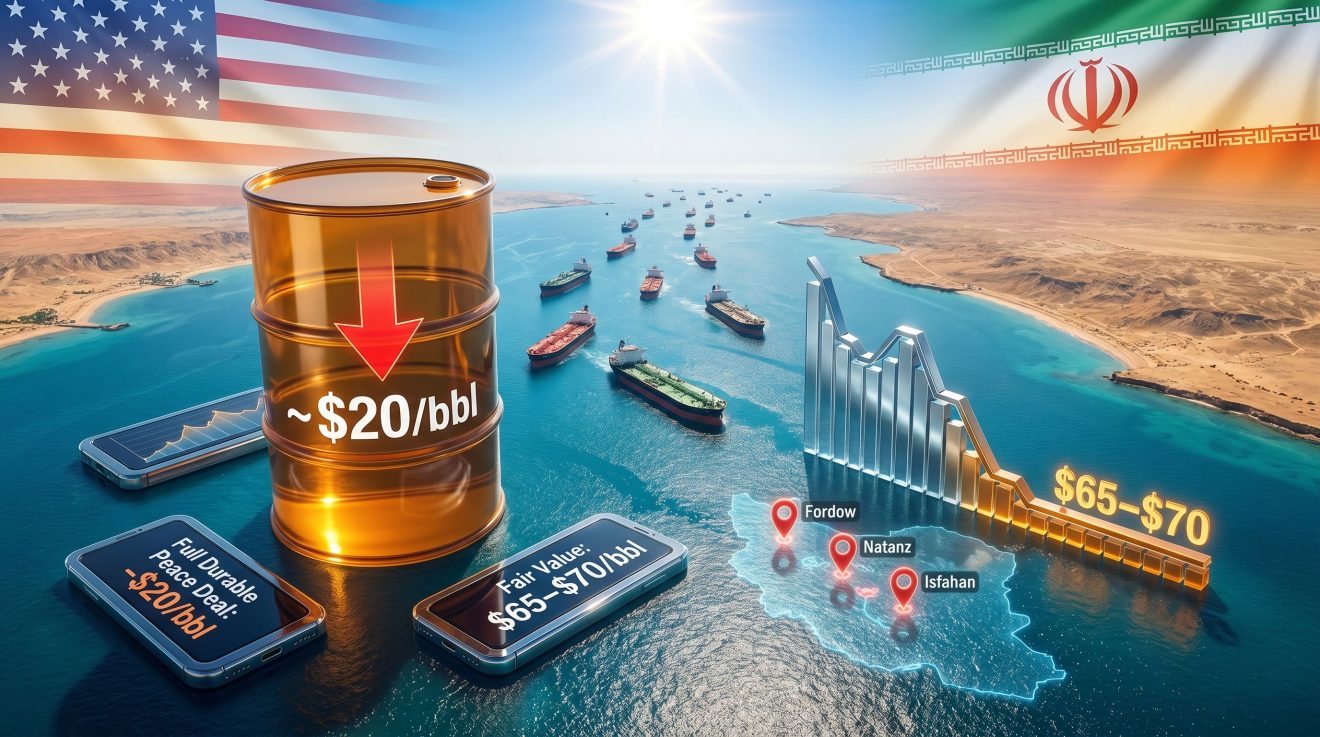
World financial markets soared on June 15, 2026, following a tentative deal between the United States and Iran to end months of strife and reopen the strategically crucial Strait of Hormuz. The statement triggered a huge surge in shares around the world and sent oil prices tumbling as traders looked ahead to a normalisation in global energy supplies and reduced geopolitical risk. The deal, likely to be formally signed later this week, is one of the biggest diplomatic breakthroughs in the Middle East in recent years, and quickly changed the mood of investors on Wall Street and in foreign markets. Oil prices fell more than $4 a barrel and U.S. stock futures rose as investors returned to riskier assets. Analysts think the development might help reduce inflationary pressures, promote consumer spending, and improve the outlook for firms that have battled with high energy costs.
The tentative peace pact between Washington and Tehran has buoyed hopes among investors concerned about continued volatility in the Middle East. News that the two countries had agreed to cease hostilities and begin efforts to reopen the Strait of Hormuz, a vital shipping route for almost a fifth of the world’s oil supply, was met with immediate reaction from financial markets. U.S. stock futures rose sharply after the announcement, and major stock indices in Asia and Europe were up sharply. The accord was seen by market players as a sign that the worst case scenario for global energy markets may have been avoided, easing uncertainty and boosting investment in equities.
One of the most immediate impacts of the ceasefire announcement was a dramatic fall in oil prices. Brent crude and West Texas Intermediate were sharply lower as traders shrugged off the prospects of more oil moving through the Strait of Hormuz. The war’s disruption of shipping lanes had pushed up the price of oil and created fears of inflation in the United States and other major countries.nSupplies have recovered, easing fears of shortages and pressures on global energy markets. Lower oil prices might help American consumers by keeping gas prices steady and cutting transportation and manufacturing costs in a range of industries.
Wall Street investors increasingly consider the fragile peace pact as a boost for the larger U.S. economy. Lower oil prices can boost corporate profit margins, increase consumer spending and ease inflationary pressures that have muddied monetary policy decisions. Lower fuel costs would be a positive for airlines, transportation, manufacturing, consumer discretionary and other sectors. The deal also comes ahead of important Federal Reserve meetings, providing policymakers the prospect for a more favorable inflation environment. U.S. economic growth could get a big boost in the second half of 2026 if oil prices stay down and geopolitical tensions calm, market analysts say.
But the good market reaction comes as investors remain wary of the unsolved difficulties around the deal. The deal has not yet been formally signed and key issues such as Iran's nuclear programme, sanctions relief and long-term security arrangements are still being negotiated. Diplomatic talks might break down and spark renewed volatility in oil and financial markets. But analysts warn it could take awhile to re-open energy supply routes and get ships back to normal. Markets have absorbed the prospect of peace but traders will continue to watch developments attentively to see whether the deal becomes a durable solution.
The tentative U.S.-Iran peace deal has helped boost market confidence with stocks higher and oil prices lower. If the deal is effectively done and dusted, lower inflationary pressures, lower energy costs, better consumer spending and higher company confidence could be on the cards. The current forecast is for a slightly more stable environment for investors and businesses, but financial markets are still expected to be very sensitive to news from upcoming negotiations. Wall Street will be looking for the longer-term implications of the agreement, which could be a turning point for global energy markets and economic growth in 2026 with the reopening of the Strait of Hormuz.

James Thornton is a U.S. business reporter covering markets, technology, and economic policy.
 Newsflash: