
Breaking News
 June 8
byNoah Grayson
The Iran-Israel ceasefire collapses as Iran fires missiles into northern Israel following Israeli strikes in Beirut. Israel retaliates with deep airstrikes inside Iran, raising fears of a wider regional conflict.
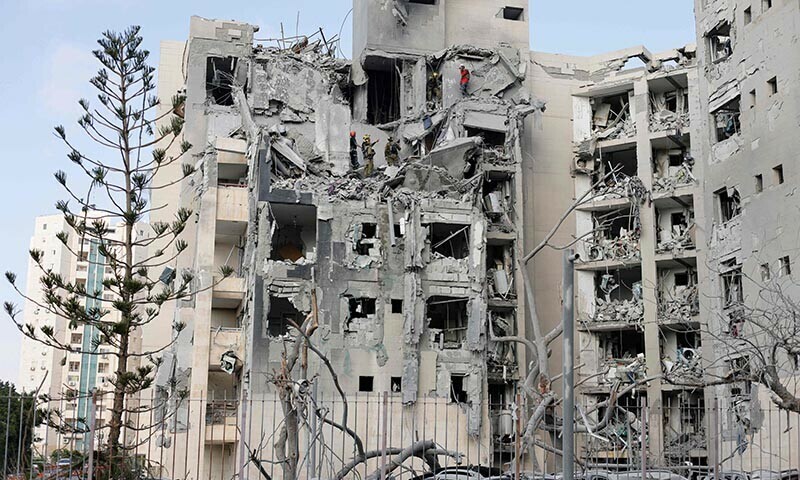
The ceasefire between Iran and Israel has broken down. Questions about how long it would hold were answered when Iranian missiles struck northern Israel, marking the first direct exchange of fire between the two countries since the truce took effect in April. Iran said the attack was retaliation for Israeli airstrikes in Beirut's southern suburbs. Israeli officials said those strikes targeted Hezbollah infrastructure. Air raid sirens echoed across northern Israel. Residents rushed to shelters. The exchange became the most serious escalation since the ceasefire began. Tehran warned that more attacks could follow if Israeli operations continue. The salvo of missiles rekindled fears the fighting could spill beyond the immediate battlefield. Governments across the Middle East moved quickly to assess the risk of a wider war. Security measures followed almost immediately. Airspace restrictions were imposed. Military alert levels increased. Diplomatic channels became active as international leaders sought to contain the crisis. Analysts said the latest confrontation exposed how fragile previous containment efforts had become. Continued tensions between Israel, Iran, Hezbollah and other armed groups remain a constant source of instability.
Israel retaliated with airstrikes on multiple targets inside Iran, including sites in Tehran, Isfahan, Karaj and Tabriz. Israeli officials described the operation as both a reprisal and a warning against future attacks. Targets allegedly ranged from military and strategic infrastructure. The scope of the operation was instantly impressive. The Israeli attacks struck Iranian targets far within Iran’s borders, ratcheting up the conflict. The back-and-forth marked one of the most serious downturns in relations between the two countries in recent years. Regional security experts warned that direct military engagement between Israel and Iran raises the chances of a long-term cycle of retaliation. There were also worries about key energy infrastructure and vital shipping lanes. A long war could have consequences far beyond the region, including global markets and trade routes.
Washington attempted to slow the march toward escalation. President Donald Trump called for restraint after Iran's missile attack and reportedly urged Israeli Prime Minister Benjamin Netanyahu to avoid an immediate military response. The message was clear: prevent a broader regional war and preserve diplomatic efforts still underway. Israel moved ahead with strikes inside Iran regardless. Trump later said the operation had not been coordinated with the United States. The episode highlighted a familiar challenge for American diplomacy in the region. U.S. officials sought to reduce tensions while Israel prioritized what it viewed as immediate security concerns. The failure to restrain itself highlighted the limits of diplomacy in a fast-moving military crisis. Analysts said every act of retaliation reduces the chances for diplomacy. The possibility of de-escalation has become more uncertain, as both sides seem prepared to hit back hard.
The renewed fighting sent shock waves across the Middle East. Governments watched the unfolding events with growing concern about the potential for a wider war. The threat is not confined to Israel and Iran. Missile launches by Yemen’s Houthi movement, continuing tensions in Lebanon, and Hezbollah’s involvement have all fueled fears that multiple fronts could open simultaneously. Financial markets reacted swiftly. Oil prices came under pressure from fears of supply disruptions. Security alerts were raised in several countries and military forces were placed on higher readiness. Questions have also re-emerged about the future of diplomatic efforts involving Iran and the United States. There are humanitarian implications. Further escalation, aid groups and policy experts warned, could worsen civilian suffering and complicate relief efforts after months of fighting that have already caused casualties and displacement across the region. Diplomatic efforts continue behind the scenes. Officials are working to prevent another round of retaliation and reopen a path toward de-escalation. Yet the reality on the ground remains troubling. Israel and Iran are exchanging direct strikes. Public rhetoric remains confrontational. For now, stability appears fragile, and the wider region remains on edge.

Noah Grayson is a U.S. daily news reporter covering national stories, breaking events, and human-interest developments.
 Newsflash: