
Breaking News
 August 3
byNoah Grayson
Acting Attorney General Todd Blanche rescinded a controversial $1.8 billion anti-weaponization fund after Senate Republicans threatened to block his confirmation
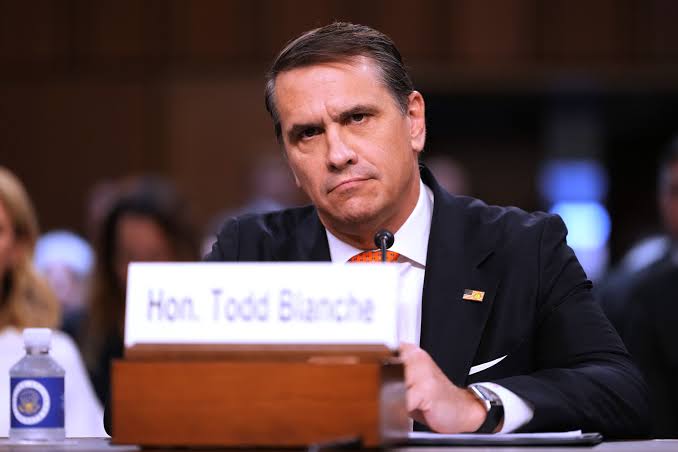
Acting Attorney General Todd Blanche has scrapped the controversial “anti-weaponization fund” set up as part of a Justice Department-related settlement involving President Donald Trump and the IRS. The action followed a threat by Republican senators to block Blanche’s confirmation as attorney general if the fund was not formally eliminated. The fund, which would be worth an estimated $1.8 billion, would compensate people who claim they were unfairly targeted by government investigations or politically motivated prosecutions. Supporters said the program aimed to tackle alleged government overreach, while critics said it raised concerns about possible misuse of government resources. Blanche’s decision was a major political development as the Senate prepared to take up his nomination for permanent Attorney General.
Todd Blanche pulled back an order establishing the anti-weaponization fund, ending a program that had been a flashpoint between the Trump administration and a number of GOP lawmakers. The fund was linked to a settlement of claims that certain persons had been politically targeted by government actions. Supporters argued it was a form of compensation for victims of alleged government abuses, while critics questioned whether taxpayer money could be used for politically connected claims. The Justice Department said the fund never became operational. Before Blanche rescinded the order, no review board had been appointed, no money disbursed, no claims processed.
The move came after Republican Senators John Cornyn and Thom Tillis pressured the fund and threatened to vote no on Blanche’s Attorney General nomination if the program continued to operate. The fund should be officially terminated, not just declared inactive, the senators said. Their opposition put the process of confirming Blanche in limbo and forced negotiations between the Justice Department and Senate Republicans. And Blanche’s withdrawal of the order helped clear the way for Senate consideration of his nomination.
President Donald Trump had defended the anti-weaponization fund, arguing it would compensate individuals injured by what he described as politically motivated government actions. Republican senators criticised the idea, but Trump continued to support the idea behind the fund even after Blanche’s attempt to rescind the order. The dispute underscored strains in the Republican Party over how aggressively the administration should pursue policies related to alleged government misconduct and accountability.
The anti-weaponization fund was part of a larger legal and political battle over a settlement involving Trump, the IRS and allegations of government targeting. The deal has come under fire from politicians and legal experts who have questioned its structure and the potential for conflicts of interest. Those in favour of the settlement said victims of government overreach deserved some form of redress. Critics said it needed better oversight and more explicit protections. The controversy brought more scrutiny to the Justice Department's independence and its involvement in politically charged matters.
Blanche’s decision to pull the fund cleared one of the larger hurdles in his Attorney General confirmation process. The announcement was expected to clear the way for the Senate Judiciary Committee to move ahead with consideration of his nomination. Blanche, who served as Trump’s personal defence attorney before joining the Justice Department, has been under intense scrutiny for his work in the administration and his handling of legal issues involving the president. The confirmation debate is likely to focus on Justice Department independence, prosecutorial decisions and the relationship between the White House and federal law enforcement agencies.
The battle over the anti-weaponization fund has intensified broader debates over the Justice Department’s place in American politics. Trump’s supporters say government agencies should be held accountable for supposed political bias, while critics warn against political use of federal institutions. The dispute underscores long-standing disagreements over how administrations should handle allegations of misconduct in government agencies without undermining public confidence in federal agencies. Lawmakers from both parties are still wrestling with how to balance accountability, oversight and independence at the Justice Department.
Blanche has rolled back the anti-weaponization fund, but President Trump has been vocal in his support of similar efforts to combat what he sees as government overreach. The ruling represents a compromise between the Justice Department and Senate Republicans, but it doesn’t settle the larger political fight over investigations, government accountability and the role of federal law enforcement. As Blanche’s confirmation plays out, the fund controversy is likely to join in broader conversations about where the Justice Department is headed under the Trump administration.

Noah Grayson is a U.S. daily news reporter covering national stories, breaking events, and human-interest developments.
 Newsflash: