
Breaking News
 June 4
by Kara Stanton
U.S. stocks paused near record highs as investors assessed valuations, awaited economic data and continued betting on artificial intelligence-driven growth.
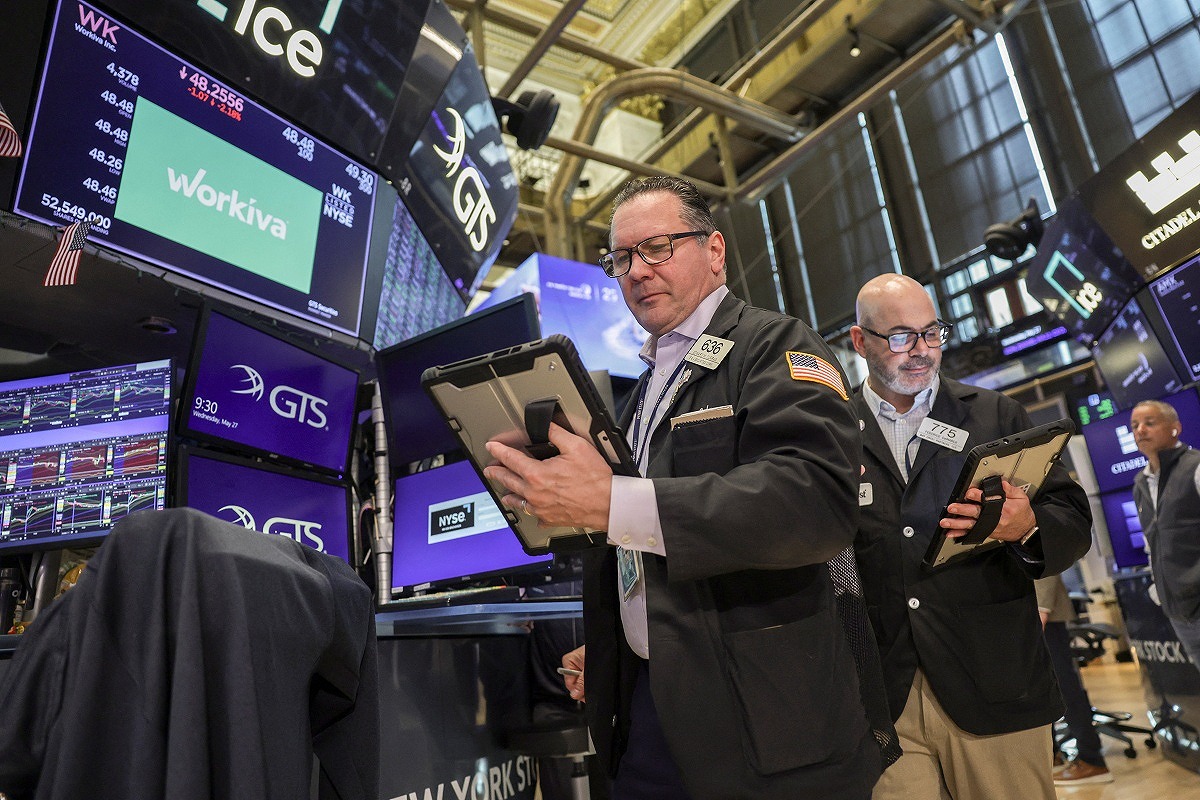
U.S. stocks finally slowed on June 3 after a rally that had carried major indexes to the edge of record territory. The pause was hardly dramatic. It was enough to get investors thinking. The S&P 500 and Nasdaq finished modestly lower, while the Dow Jones Industrial Average hovered near unchanged levels. The move followed several sessions of strong gains fueled by artificial intelligence enthusiasm, resilient corporate earnings and easing pressure from energy markets. After weeks of buying, traders appeared more interested in protecting profits than chasing prices higher. That shift does not necessarily signal trouble. Markets often cool after sharp advances. The bigger question is whether earnings growth and economic fundamentals can continue justifying the lofty valuations that have emerged across technology and growth stocks. Investors are paying closer attention to that debate. The rally has already surpassed many forecasts. Expectations have risen just as quickly as stock prices. When that happens, even a modest pause can attract outsized attention. Trading activity reflected that caution. Buyers, however, were more selective. Investors were waiting for new economic data and company news before making larger bets. The pullback doesn’t change the broader picture. Major indexes continue hovering near historic highs, underscoring the strength of a rally that has defined much of the market's recent performance. For now, Wall Street appears to be resting rather than retreating.
The broader market softened. Technology stocks remained the center of attention. Artificial intelligence is a major investor theme in 2026. Semiconductor makers, cloud computing providers and AI infrastructure companies remain among the most closely followed names on Wall Street. The trend has become impossible to ignore. Much of the market's recent strength can be traced directly to optimism surrounding AI spending and the long-term growth opportunities tied to the technology. Investors have rewarded companies positioned to benefit from the AI boom, helping drive gains in both the Nasdaq and the S&P 500. Even on weaker market days, technology stocks often dictate the conversation. Strong earnings, rising AI investments and a steady stream of product announcements have boosted confidence across the sector. Those developments have helped investors to look beyond concerns about inflation, geopolitical tensions and wider economic uncertainty. Not everyone is convinced the rally can continue indefinitely. Questions about valuation are becoming louder. Some investors worry that AI-related stocks have risen faster than fundamentals can support. Others see the pullbacks as temporary interruptions in a much larger growth story. The debate continues. The demand remains. Technology companies now represent a significant share of major market indexes. They have power beyond the sector. When AI stocks move, the broader market usually follows. That dynamic has turned investor sentiment toward artificial intelligence into one of the most important forces shaping equity performance today.
The market's pause arrived as investors weighed a fresh round of economic signals. Recent gains have been supported by confidence that the U.S. The economy is surprisingly resilient to concerns about inflation, interest rates and global instability. Investors want proof optimism is still justified. Employment figures, consumer spending trends and inflation data are receiving heightened scrutiny. The reports matter because they help set expectations for monetary policy. Good economic data can strengthen earnings and growth expectations for companies. It can also muddy the waters on the interest rate outlook if inflation turns out to be stickier than expected. That balancing act remains a challenge for investors. Valuation concerns also played a role in the market's cautious tone. There’s already a lot of optimism priced into stocks after a long rally. When expectations become elevated, markets become more vulnerable to profit-taking and short-term volatility. That behavior is not unusual. Investors frequently grow more defensive when indexes approach record levels. The potential rewards shrink. The risks become more noticeable. Earnings still matter a lot. Strong earnings growth has supported premium valuations, particularly among tech leaders. Any signs of slowing momentum could quickly turn investor sentiment. For now, analysts continue describing the economic backdrop as supportive. Pullbacks are viewed as a normal feature of healthy market advances rather than evidence of deteriorating fundamentals.
One question now hangs over the market. What comes next? The rally has been powered by artificial intelligence, strong earnings and improving investor sentiment. Those themes remain influential, but markets rarely move higher forever without fresh catalysts. Investors are looking for the next reason to buy. Upcoming economic reports could provide direction. So could earnings announcements and developments within the technology sector. Artificial intelligence remains the most obvious candidate. Investors want evidence that massive AI spending is translating into real financial returns. Companies that can show tangible benefits from their AI investments are likely to stay as market darlings. Energy markets also remain on the radar. The fall in oil prices has helped to ease inflation concerns and ease pressures on businesses and consumers. Any change in global energy conditions could quickly change the outlook for market expectations. The S&P 500's winning streak pushed the index into historically significant territory. Success creates its own challenges. Expectations rise. Patience shrinks. Investors become more sensitive to disappointment. That reality contributed to the more measured trading seen during the session. Many strategists view the consolidation as healthy. Markets often need time to digest gains, reset expectations and lay stronger foundations before moving higher again. The larger story has not changed. Investors are weighing optimism about economic growth and tech innovation versus concerns about valuation and future catalysts. The rally is on hold. The search for the next driver of momentum is already underway.

Kara Stanton is a U.S. finance journalist specializing in markets, investment trends, and corporate earnings analysis.
 Newsflash: