
Breaking News
 July 29
by Olivia Bennett
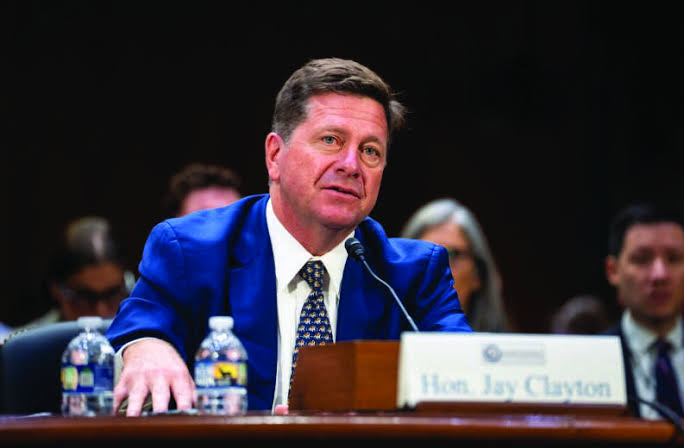
The Senate has confirmed Jay Clayton as Director of National Intelligence in a narrow party-line vote. His appointment comes amid debate over intelligence oversight, election issues and the future direction of the U.S. intelligence community
The U.S. Senate narrowly confirmed Jay Clayton to serve as the next Director of National Intelligence (DNI), putting him in charge of coordinating the nation’s 18 intelligence agencies. Clayton was confirmed by the Senate on a 51-47 vote, mostly along party lines, with Republicans voting for and Democrats against. Clayton’s confirmation comes at a time of leadership uncertainty at the top of the U.S. intelligence community after a period of uncertainty for the Office of the Director of National Intelligence. There had been concerns about the stability and oversight in the intelligence structure, especially after the last director left and an acting director was put in the post. Before he took the job, Clayton was best known for his legal and financial background. He was the former U.S. attorney for the Southern District of New York and served as chairman of the Securities and Exchange Commission (SEC) during President Donald Trump’s first term. The appointment breaks from traditional career paths to intelligence leadership with Clayton not having a long career history in intelligence agencies. Supporters say his legal background, national security investigations and leadership positions make him well-suited to oversee the intelligence community. Critics questioned whether his background qualified him for one of the most sensitive national security jobs in the country.
During Clayton’s confirmation hearing, members of Congress debated whether he could stay independent in his job as the country’s top intelligence official. Democrats concerned about his past political positions and whether he would stand up to political pressure on intelligence assessments. A major sticking point was Clayton’s answers to questions about the 2020 presidential election. He would not outright say that Joe Biden won the election, only referring to the certification of Biden as president at the hearing. Democrats said the answer raised questions about his views on election-related issues and the role of the intelligence community in defending democratic institutions. Republicans argued that Clayton's legal background and experience handling national security cases made him well-qualified for the role. Supporters pointed to his record as a federal prosecutor, including terrorism and foreign influence and national security investigations. His confirmation battle brought to the fore broader questions about the place of intelligence agencies in American politics. Both sides agree that national security is the main focus of intelligence agencies but they disagree on oversight, transparency and political influence.
As DNI, Clayton will lead the Office of the Director of National Intelligence, which oversees the work of 18 intelligence agencies, including those that work on foreign intelligence, cybersecurity, military intelligence and national security analysis. The appointment comes after a period of great turmoil for the U.S. intelligence community. Security threats from foreign adversaries, cyber threats, terrorism and geopolitical conflicts around the world still pose risks. Within the intelligence community, its resources, staffing and public trust have also been questioned. Reports say the interim leadership at the Office of the Director of National Intelligence has implemented a series of changes, including workforce cuts that alarmed some lawmakers and intelligence officials. Clayton has promised to focus on improving coordination among intelligence agencies and public trust in the intelligence system. In his confirmation process he highlighted the need to ensure that intelligence decisions are fact-based and professionally analyzed. National security experts say the DNI job must balance competing priorities that include giving the president accurate intelligence, protecting classified information and preserving confidence with members of Congress and the American public.
Clayton’s entry comes as Congress is facing a slew of big decisions regarding intelligence, including debates over surveillance authorities and the future of programs such as Section 702 of the Foreign Intelligence Surveillance Act (FISA). The balance between national security and privacy protections has divided Congress. The new intelligence chief will also face pressure to control relations between intelligence agencies and political leaders. The DNI’s job historically has been to provide objective analysis even if it doesn’t fit the political preferences. Some Democrats have expressed concern that intelligence decisions could become politicized, while Republicans say Clayton’s legal background will bring accountability and effectiveness back to the intelligence community. The confirmation comes amid debate over the role and influence of the ODNI itself. The office was established after the Sept. 11 attacks as a way to better coordinate intelligence agencies, but over the years has been questioned about its authority and effectiveness. Now Clayton must contend with those institutional challenges as well as new threats to the United States.
The new DNI arrives at a time when U.S. intelligence agencies are tracking a host of international security threats. They include tensions with Iran, Russia, China, cyber threats and emerging conflicts that require an intelligence response. Analysts say Clayton’s success as a leader will hinge on his ability to keep intelligence agencies working together and to ensure assessments are independent and credible. You work with the president, with Congress, with military leaders and with international partners. Any perception that intelligence is being driven by political reasons could undermine the credibility of the agency. Clayton’s supporters say his background in law enforcement and financial regulation has prepared him to oversee complex investigations and government agencies. Critics say running the intelligence community requires a different skill set than he’s used to in the past.
Jay Clayton named to lead U.S. intelligence community at politically sensitive time. His time in office will no doubt be scrutinized closely by lawmakers, intelligence professionals and national security watchers. The immediate question is whether Clayton can improve co-ordination between agencies, tackle internal problems and maintain confidence in intelligence assessments. His supporters view his legal experience as a plus, but critics continue to fret about matters that arose during his confirmation. His appointment has ignited a debate that mirrors broader national debates about intelligence independence, government accountability and the politics-national security nexus. Clayton’s appointment means the intelligence community will look to the new director for guidance on how the United States should respond to rising global security challenges and maintain the public’s trust.

Olivia Bennett is a U.S. political correspondent reporting on federal policy, election developments, and national governance issues.
 Newsflash: