
Breaking News
 August 10
by Casey Quinn
Google is preparing its August 12 Made by Google event, where the Pixel 11 lineup, Pixel 11 Pro Fold, Pixel Watch 5 and new Gemini features are expected to debut
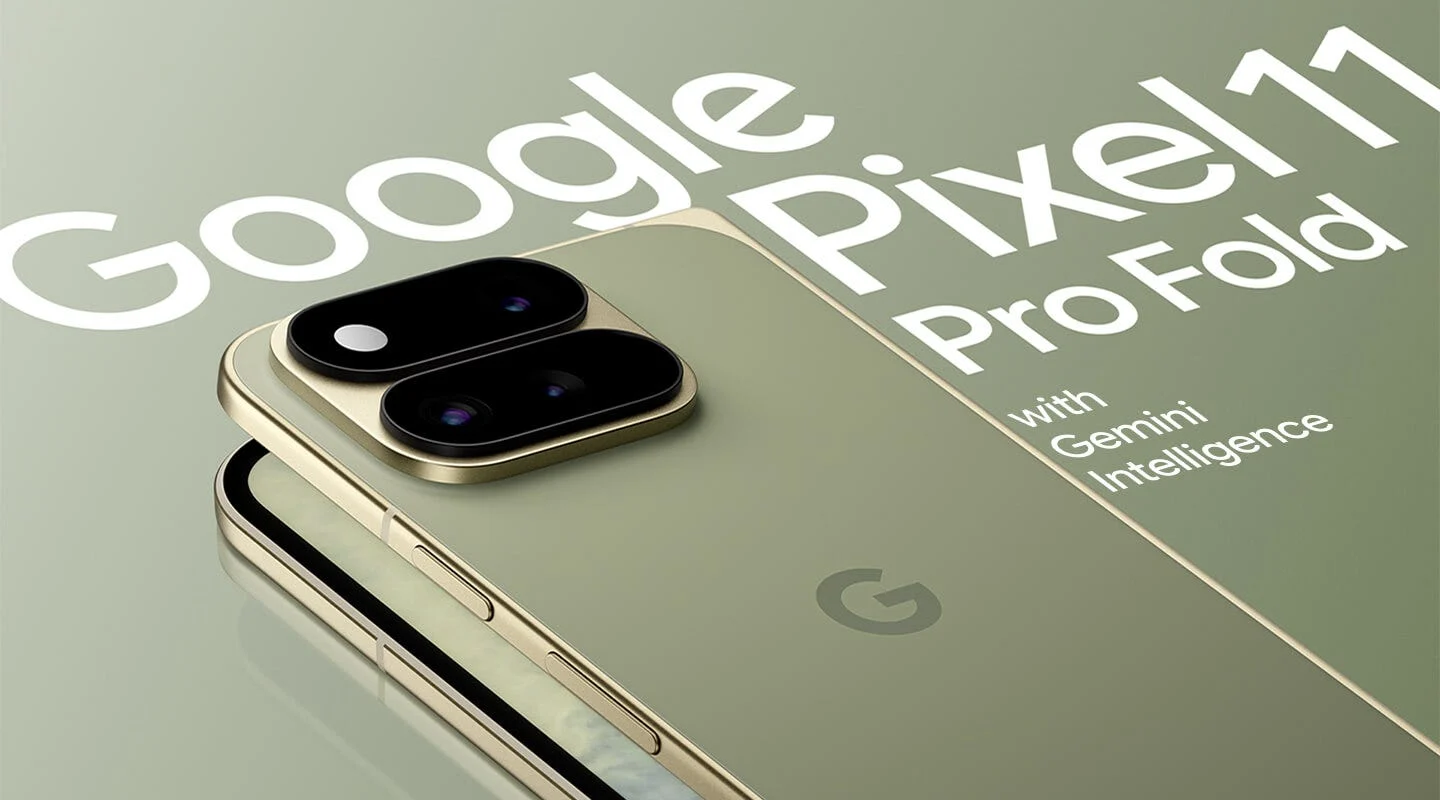
Google is getting ready for its annual Made by Google event on August 12, and the Pixel 11 family is expected to be the star of the show. The company is expected to launch a new foldable alongside the Pixel 11 and Pixel 11 Pro series, the Pixel 11 Pro Fold. The Pixel Watch 5 is also likely to be launched. The event will take place on Wednesday, August 12, at 3:00 p.m. PT / 6:00 p.m. ET. The We expect new hardware alongside Android 17 and a deeper integration of Gemini into Google’s mobile ecosystem. New reports show Google is focusing more on on-device AI, automation, and software features that let Gemini interact with apps and websites. The Pixel 11 generation could also mark a big change in Google’s pricing and hardware strategy. Forbes claims that Google will likely bump the base Pixel 11 up to 256GB of storage and potentially raise its starting price to $899. Premium models will likely prioritize memory capacity for local AI processing
The Made by Google presentation from Google will likely focus on the Pixel 11 series, with the standard Pixel 11, more premium Pro variants and the Pixel 11 Pro Fold. Android Central reports that Google is said to be preparing a number of smartphones for the event, with the foldable likely to be one of the headline additions to the lineup. Google has already announced its next Made by Google event will be held on August 12 in New York. The event will be streamed online, giving consumers and technology watchers their first official look at the company’s new hardware and software direction. The Pixel 11 generation will probably keep a lot of the design language we’ve seen with previous Pixel models but will shift its focus more heavily to internal improvements and artificial intelligence. Recent reports suggest that the new phones will have big hardware upgrades, including the Tensor G6 processor. Also reported is a change in storage. Forbes expects Google to drop the 128GB base option, and go up to 256GB as the base for the Pixel 11 family. That could push the starting price of the standard Pixel 11 to around $899, up from the prior entry point of $799. The premium models are also expected to be loaded with memory, with 16GB RAM apparently the starting point for higher-end Pixel 11 devices. Forbes directly attributes the increase to plans by Google to run larger Gemini language models locally on the phone. Another major point of interest could be the Pixel 11 Pro Fold. Foldable phones are still a nascent category and Google's next-gen model is expected to bring together the company's foldable hardware with its latest AI and Android software features. Google’s approach suggests that the Pixel 11 generation will not be just a hardware refresh but a showcase of how the company intends to incorporate AI more fully into smartphones.
AI is set to be a big theme of the Pixel 11 launch. Android Central reports that Google is touting Android 17 as a more intelligent platform, with the ability for Gemini to perform actions within apps instead of just responding to single questions. For example, Gemini Automation is capable of browsing thru applications and websites for users. Google's approach is for the assistant to grasp instructions and execute multiple steps, instead of forcing users to jump between different screens manually. Android Central also reports on a new AI-powered voice-typing system called Rambler. The feature is designed to learn more natural speech, automatically corrects, and removes filler words like “um” and “ah” to turn conversational speech into formatted text. Another feature that Gemini previewed ahead of the event is Create a Widget, which would let users describe a home-screen widget and have Gemini generate one. The system can even edit the widget based on additional instructions, highlighting Google’s effort to turn generative AI into a useful creation tool. Forbes says that the rumored 16GB RAM option for the Pixel 11 could be especially important for local Gemini workloads. It could also mean more AI processing happening on the device itself, less reliance on cloud services, and some functions working with lower latency. This broader approach represents a major shift in how Google defines a smartphone. Google wants Gemini to be an intelligent layer on top of Android, not to think of AI as just another app. That strategy could be one of the biggest differentiators for the Pixel 11 generation, especially as Apple and other smartphone makers increase their own investment in on-device artificial intelligence.
The Pixel 11 Pro Fold is expected to be the big fold in Google’s smartphone lineup, alongside the regular Pixel 11 devices. The foldable is among the devices Android Central expects to see at the Made by Google event, suggesting that Google's strategy will still include traditional flagship phones alongside larger flexible-screen devices. Google’s software-centric approach could also help the foldable. 8. Android Central’s article on a possible Gamepad feature for the Pixel 11 Pro Fold mentions a feature that would turn the device into a more gaming-friendly device by offering a dedicated control layout on the lower part of the display. Google is also said to be working on the Pixel Watch 5. The smartwatch would extend Google’s Gemini and health-focused ecosystem from phones to wearables, allowing the company to more directly challenge Apple’s Watch platform and Samsung’s Galaxy Watch lineup. The mix of smartphones, foldables and wearables is a reflection of Google's broader hardware strategy. Google is increasingly building an interconnected ecosystem where Android, Gemini and Google services run across multiple form factors, rather than viewing each product as an isolated device. So the Pixel Watch 5 may be more than just a set of hardware specs. It could become an important part of the company’s pitch in the Google AI ecosystem, especially as health, fitness and assistant features get more integrated into wearable tech. There may also be announcements of other hardware or software at the event. Google may have other things up its sleeve, says Android Central, but the Pixel phones and Pixel Watch are set to remain the stars of the show. Google is trying to build out a wider hardware ecosystem around Android and Gemini, not rely solely on the Pixel phone with the Pixel 11 Pro Fold and Pixel Watch 5 joining the smartphone lineup.
Perhaps the Pixel 11 strategy is indicative of a broader change in the smartphone market, with higher starting prices and more storage. According to Forbes, the company is expected to move away from the $799 price point and start the Pixel 11 at around $899, with 256GB becoming the baseline storage configuration. The potential price increase is coupled with a matching focus on hardware for artificial intelligence. The premium Pixel 11 models are rumored to have 16GB of RAM for beefier on-device Gemini workloads, letting the phones do more AI processing without having to lean on remote servers at all times. That may become increasingly important as smartphone companies compete on privacy, speed and AI functionality. Running locally can cut down on the need to send some information to cloud services, while potentially speeding up response times for jobs that are compatible. Android 17 will also bring bigger changes to the Android ecosystem. According to Forbes, the requirements by Google for third-party app developers to verify their developer identity are part of a larger initiative to make the Play ecosystem more controlled and secure. Android Central reports that security improvements are coming for the Pixel 11 generation, including better alerts when suspicious activity is detected and protections against scam financial calls. Taken together, these developments suggest that Google's next-generation strategy is about more than just faster hardware. The company is working to make Pixel devices smarter, safer and able to execute tasks on behalf of users. What features from these reports will actually be part of the final products will be decided at the August 12 event. Specs, pricing and availability should be considered as reported expectations and not confirmed product details until announcements are made by Google. But the course is beginning to crystallize. Pixel 11 is emerging as Google’s latest attempt to make Gemini and AI the defining characteristic of its smartphone ecosystem.

Casey Quinn is a U.S. technology reporter covering innovation, digital policy, and emerging trends in the tech industry.
 Newsflash: