
Breaking News
 June 11
by Casey Quinn
Apple’s latest iOS 27 and iPadOS 27 beta releases introduce more than 250 changes, expanded AI features and design updates, though some users of older devices may see limited improvements.
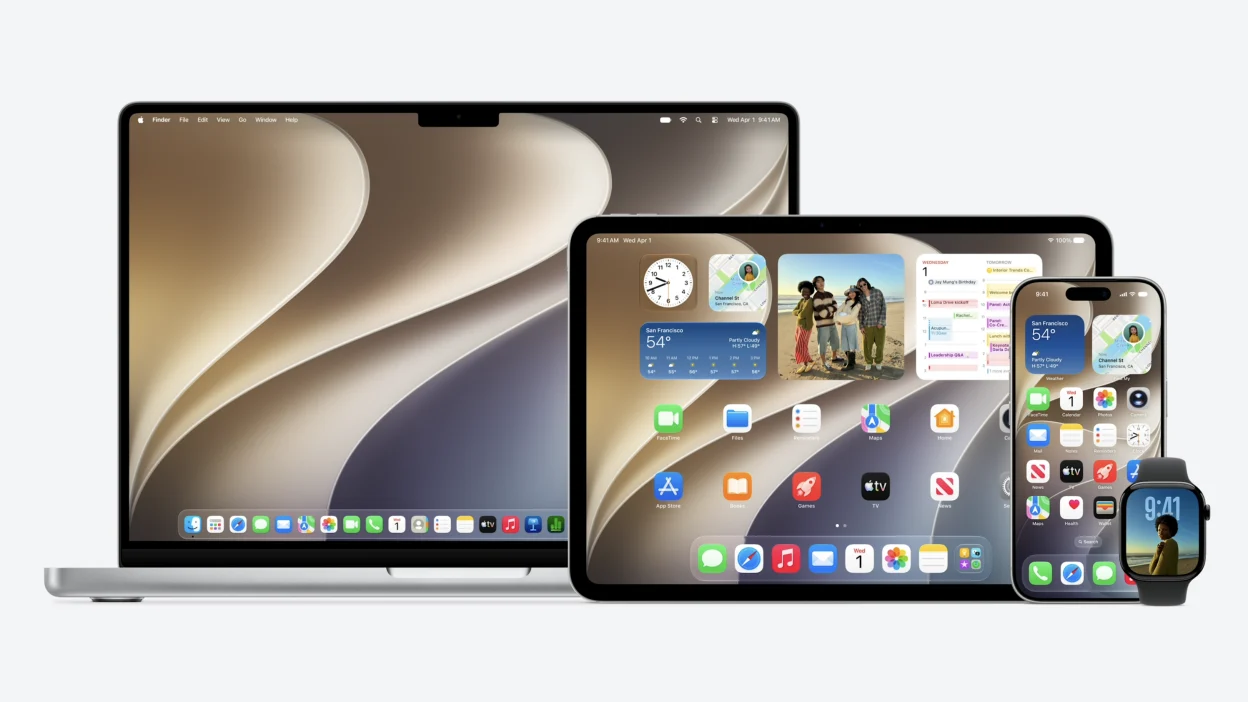
Apple’s latest beta releases for iOS 27 and iPadOS 27 have generated significant attention following the company’s announcement of more than 250 changes across its operating systems. The updates include interface refinements, productivity enhancements, Apple Intelligence improvements and expanded integration across Apple devices. Apple presented the software as part of its broader effort to strengthen the connection between iPhone, iPad and Mac experiences while introducing new tools powered by artificial intelligence. Many of the changes are designed to improve daily usability rather than completely redesign the operating systems. Major highlights include a bunch of new customization features, revamped system apps, and enhanced AI-powered capabilities. The massive scale of the update makes iOS 27 one of Apple’s most feature-packed software updates in recent memory, though user responses have been mixed, depending on device support and the availability of newer hardware.
Shortly after the beta was released, users noticed that Apple had briefly listed two unsupported iPad Pro models as eligible to download the iPadOS 27 developer beta. The inclusion of older devices on the list caused some confusion amongst users who thought the new operating system had added support for more hardware. Apple later revised the list and confirmed the devices were not officially supported on the beta release. The incident raised questions among Apple users about how long devices will last and the company’s policy to support older products. The listing seemed like a temporary mistake, but it did generate ongoing interest in which devices are still receiving major software updates and which models are coming to the end of their support lifecycle. The correction restored the official compatibility list, but the brief mistake drew considerable attention across the Apple community.
Apple Intelligence features are a big focus for iOS 27, with ongoing integration across compatible hardware. The company has also added a variety of new AI-powered features that aim to boost productivity, communication and personalization throughout the operating system. The company also detailed improvements to system apps, notifications, multitasking and cross-device functionality to deliver a more cohesive user experience. Many of the new tools rely on advanced on-device processing and therefore require newer Apple hardware capable of supporting Apple Intelligence. The update reflects Apple’s broader strategy of integrating artificial intelligence into its ecosystem while maintaining an emphasis on privacy and local processing. Developers and early testers have identified numerous smaller refinements throughout the operating system, contributing to the more than 250 changes documented following the beta release.
While many of the marquee features roll out to newer devices, some older iPhone users are disappointed in the update. Several of Apple’s Intelligence features require newer processors, so many of the largest additions aren’t available on older hardware. As a result, some users describe iOS 27 as a relatively modest update compared to the experience on the latest iPhone models. The update still offers stability improvements, interface refinements and quality-of-life enhancements across supported devices, but the most advanced features remain focused on newer products.
This widening gap between hardware generations has been a theme in Apple’s software strategy as artificial intelligence’s influence grows in new operating system releases. It’s a mixed bag for owners of older devices, but iOS 27 and iPadOS 27 represent an important step in Apple’s effort to bring AI-powered functionality to more of its ecosystem while laying the groundwork for future software and hardware innovations.

Casey Quinn is a U.S. technology reporter covering innovation, digital policy, and emerging trends in the tech industry.
 Newsflash: