
Breaking News
 July 23
by Casey Quinn
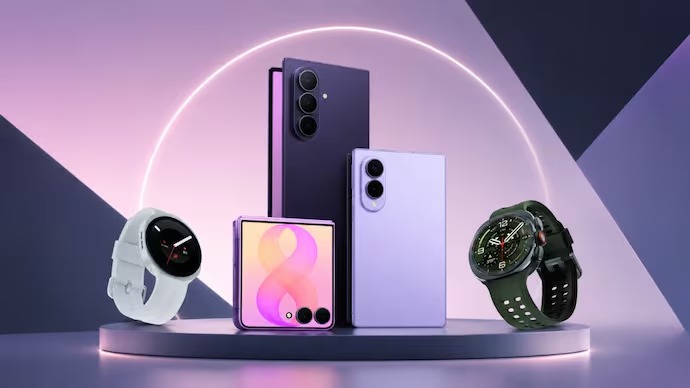
Samsung has launched its expanded Galaxy Z foldable lineup featuring the Galaxy Z Fold 8, Galaxy Z Fold 8 Ultra and Galaxy Z Flip 8, introducing wider designs, AI-powered features and upgraded hardware as competition in the premium smartphone market increases
Samsung has announced its latest generation of foldable phones, with a new portfolio including the Galaxy Z Fold 8, Galaxy Z Fold 8 Ultra and Galaxy Z Flip 8 to help cement its status as the leader in the premium foldable phone segment. The launch is one of Samsung’s biggest refreshes of its foldables strategy, with the company adding a new Ultra model, and redesigning the standard Fold experience around a wider display format. The new devices were announced at Samsung's Galaxy Unpacked event as the company continues to push foldable smartphones further than the early-adopter crowd. Samsung has three models to serve different user needs, with the Galaxy Z Fold 8 Ultra meant for productivity and professional users, the Galaxy Z Fold 8 for users who want to consume immersive content and do everyday multitasking, and the Galaxy Z Flip 8 for users who want a compact foldable device. The launch comes at a crucial time for Samsung’s mobile business. The company was the first to the modern foldable smartphone category, but competition is heating up from Chinese manufacturers with thinner designs and aggressive pricing. And Samsung faces pressure to prove why its foldable tech remains ahead of the pack, with Apple also expected to enter the foldable smartphone market. Samsung’s new strategy is not just about improving the hardware, but also about making foldables more practical for everyday use. For the flexible screens, the company is targeting larger displays, increased durability, AI integration and better software experiences.
There are some big changes to the Galaxy Z Fold 8, including a new wider design that drops the narrow form factor of previous Fold models. Samsung is aiming particularly at those users who mainly consume content, browse social media, watch videos and use multiple apps simultaneously on their foldable devices. The bigger design makes the Fold 8 look more like a regular smartphone when closed, but gives you more room to work when it’s open. Samsung wants to make it easier to read, scroll through social feeds, edit documents and watch videos without having to constantly change the orientation of the device. The Galaxy Z Fold 8 is rumored to have a 7.6-inch internal foldable display and a 5.5-inch cover display, a good mix of portability and screen real estate. It also has performance hardware upgrades, better camera capabilities and better battery efficiency than previous generations. That redesign is part of a larger evolution in Samsung’s thinking on foldables. Previous Fold models were marketed as productivity devices that could replace tablets. Samsung is also targeting users who are more into entertainment and want to enjoy a bigger viewing experience without carrying a separate tablet with the Fold 8. "We think that enhancing the everyday smartphone experience is the way to get foldables into the hands of a wider audience." Samsung aims to make foldables feel like an organic upgrade for mainstream smartphone users, not experimental premium gadgets.
The Galaxy Z Fold 8 Ultra is the biggest addition so far to Samsung’s foldable lineup, and the company’s first Ultra-branded foldable phone. It is the most powerful device in the series, with a larger display, upgraded camera system and productivity features. Samsung takes its premium strategy further with the Fold 8 Ultra, bringing features once reserved for its Galaxy Ultra smartphone series into the foldable world. The device is said to feature an 8-inch main display, larger cover display, improved camera tech and hardware upgrades to appeal to pro users and content creators. Samsung is positioning the Ultra model more as a mobile productivity device than a smartphone. A bigger screen helps you run more applications, manage workflows, create content and use AI-powered features better. For some users, the company sees foldables as an alternative to traditional tablets and laptops. The launch of the Ultra model also indicates that Samsung thinks there is room in the premium foldable market for a range of prices. “Before there weren’t a ton of choices for folks who wanted a Fold device, but now Samsung can reach different audiences with different experiences. But the premium position brings challenges as well. The foldable smartphones are still way more expensive than traditional flagship phones and Samsung has to convince consumers it's worth the extra cost
Samsung's latest smartphone strategy is heavily focused on artificial intelligence (AI), with the Galaxy Z Fold 8 series pushing AI features to the front of the user experience. Samsung is adding AI tools designed to take advantage of the larger foldable screens to help users be more productive, communicate better and create content. The company is working on more intelligent multi-tasking features to help users work more easily across multiple apps. AI tools can help you summarize information, organize content, enhance photos, and manage workflows—all on larger Fold displays. Samsung’s move reflects a broader trend in the smartphone industry. The hardware is no longer the point: Apple, Google and others are increasingly competing on software savvy. As smartphone designs continue to converge, AI features are becoming a major purchase factor. Samsung’s AI strategy also plays into the Galaxy Z Flip 8, particularly with improvements to the experience of its external display. The Flip series has become popular thanks to its compact design and lifestyle-oriented features, and Samsung is using AI to allow fast interactions without the need to fully open the device. Samsung is trying to create a new class of personal computing devices that are more attuned to user needs by combining foldable hardware with AI software.
The Galaxy Z Fold 8 launch comes as Samsung prepares for a more competitive future of foldable smartphones. The company has long been a leader in the category, but now feels pressure from competitors with thinner designs, new hinges and competitive pricing. Apple, widely expected to launch its first foldable iPhone, could be Samsung’s biggest threat. Analysts say Apple’s entry into the foldable arena could accelerate mainstream acceptance of the devices, but also pits Samsung against one of the most formidable smartphone brands on the planet. While the foldable market is still a relative niche compared to traditional smartphones, analysts say it will continue to grow as technology improves and prices slowly become more affordable. Samsung hopes better designs, improved durability and AI-powered experiences will help it grow the category. Galaxy Z Fold 8, Fold 8 Ultra and Flip 8: Samsung is trying to write the next chapter in the foldable phone world. It’s not simply about launching a new form factor anymore; the company is trying to establish foldables as a core segment of the future premium smartphone market. The success of the new lineup will depend on whether consumers believe the devices represent meaningful upgrades over traditional smartphones. Samsung’s new foldables are a key test of whether the category can move from a premium niche device to a mainstream tech trend as competition heats up and technology matures.

Casey Quinn is a U.S. technology reporter covering innovation, digital policy, and emerging trends in the tech industry.
 Newsflash: