
June 4, 2026
June 4, 2026
Breaking News
 March 2
by James Thornton
Israel strikes Lebanon’s capital, responding to missiles from Hezbollah
Israel launched airstrikes on Beirut after Hezbollah missile attacks, escalating Middle East tensions. Here’s what it means for U.S. policy and regional stability.
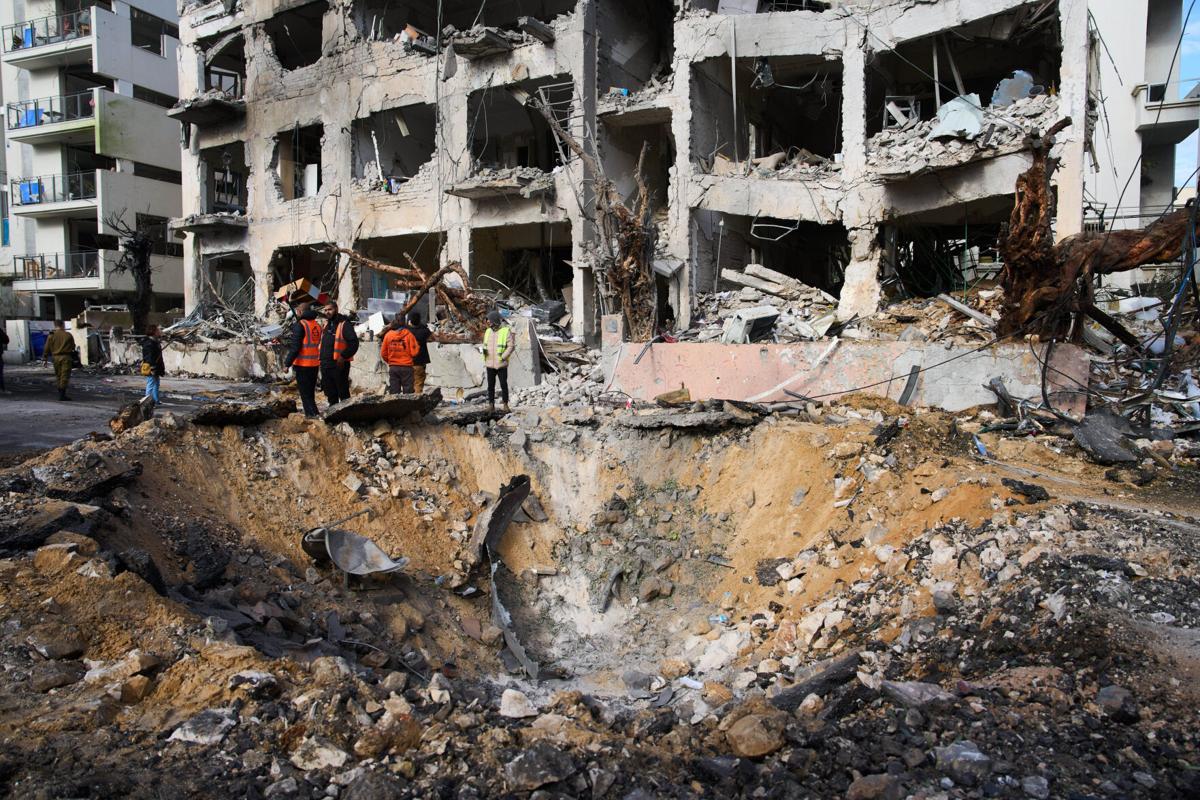
In response to missile attacks from Hezbollah into northern Israel, Israel bombed Beirut, Lebanon's capital, from the air on March 2, 2026. The strikes hit parts of the southern suburbs that were thought to have Hezbollah infrastructure. The rise in violence has made Washington and its allies even more worried about the possibility of a wider regional war and what it could mean for the world.
Israel Responds to Hezbollah Missile Attacks
The Israeli military said the operation was a direct response to a series of rockets fired by Hezbollah that struck areas in northern Israel. Air raid sirens were activated across border communities before Israel launched precision strikes on what it described as militant command centers and weapons facilities in Beirut’s southern districts. Lebanese officials reported multiple explosions, while civilians in affected neighborhoods were urged to evacuate ahead of the strikes.
Rising Tensions Raise Regional Concerns
The exchange is one of the worst things that has happened between Israel and Hezbollah in the last few months. Analysts say that if both sides keep attacking each other, the crisis could go beyond the border between Israel and Lebanon. Because Hezbollah is linked to Iran, the issue is being watched very closely. This raises concerns that the violence could involve other regional actors and make the already delicate security situation in the Middle East much worse.
U.S. Response and Strategic Implications
The US has acted quickly to balance two important goals: making sure Israel's security is still a top priority and using diplomacy to stop a bigger war in the area. Top U.S. officials have publicly said that Israel has the right to protect itself from missile attacks by Hezbollah. But behind the scenes, Washington is pushing for a measured military response to avoid making Lebanon or Iran retaliate on a large scale. The White House and State Department are working hard to improve relations with the leaders of Israel, Lebanon, and key regional partners like Egypt, Jordan, Qatar, and European allies. The U.S. government is also using diplomacy to tell Hezbollah and its supporters that they want things to calm down. The goal is to stop a cycle of revenge that could turn this exchange into a long-term war across borders or on many fronts.
The Pentagon is keeping a close eye on the safety of tens of thousands of U.S. troops stationed in the Middle East, including those in Iraq, Syria, the eastern Mediterranean, and Gulf countries. U.S. Navy forces in the area are still on high alert to protect American interests, stop attacks on U.S. sites, and keep important trade routes safe. The U.S. is also making plans to evacuate its citizens if the security situation in Lebanon gets worse. Washington is thinking about how the growing tensions between Israel and Hezbollah might affect the world's energy markets, shipping, and stability in the Middle East in the long run. If the violence spreads, it could make trade routes in the Mediterranean less stable, oil prices more volatile, and supply chains around the world more dangerous. This is a tough balancing act for U.S. leaders: they need to help an ally's defense while also stopping a bigger war that could involve Iran, put U.S. troops in danger, and hurt the global economy.
Outlook: What Comes Next?
In the next few days, it will be very important to see if things get better or worse. If Hezbollah keeps firing rockets or Israel sends more troops to Lebanon, the chances of a long-lasting war will go up. The US's main goal is still to keep the war from spreading to other countries in the area. They also want to use diplomacy to push both sides to find a peaceful solution. As the crisis goes on, the prices of energy, markets, and security issues in different parts of the world will probably keep changing.

James Thornton is a U.S. business reporter covering markets, technology, and economic policy.
 Newsflash: