
May 21, 2026
May 21, 2026
Breaking News
 April 1
by James Thornton
Trump Signals US Exit from Iran as War Nears Turning Point
Trump says the US could leave Iran within weeks as military objectives are met, but regional conflict, oil disruptions, and global tensions remain high
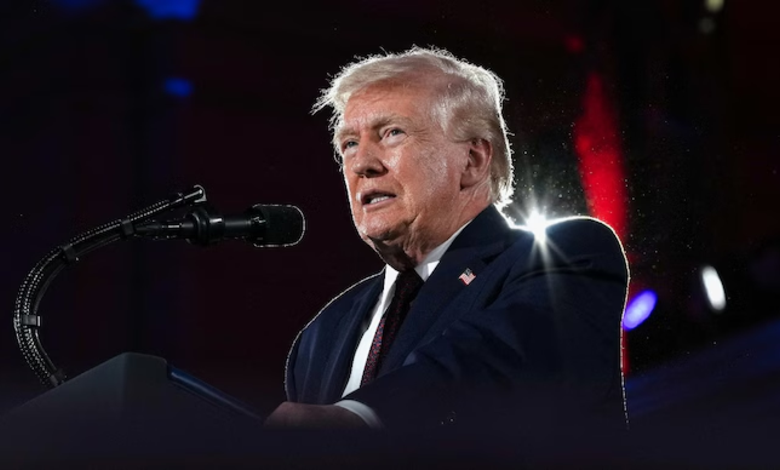
Donald Trump told reporters that the US "will be leaving Iran very soon" and that military action may cease in "two or three weeks". He claims the US has met the objectives stated before airstrikes on Iran, which began late last month in collaboration with Israel. He claims that the basic goal of limiting Iran's capacity to develop nuclear weapons has been met, and that the US is now "finishing the job". Trump claims that the US currently rules Iranian skies and has achieved regime change as a result of the assassinations of numerous key political and military officials. He described Tehran's current leaders as "much less radicalised" and "more rational" than their predecessors. Trump also claims that Iranian leaders are "begging to make a deal" with the US to halt the conflict, something Iran has previously denied, and that the war might end even if both parties do not reach an agreement. He added that the US will leave Iran "for years" if they are satisfied the government will not be able to acquire a nuclear weapon.
Why This News Matters:
Trump's hint of a possible pullback sounds like a step toward de-escalation, but things are still a mess. There is still fighting going on in the area, oil routes are still blocked, and tensions are high. That means that things in the real world keep happening, like gas prices going up and uncertainty in the global market. To put it simply, the situation is far from settled, even if the U.S. plans to back off.
Escalation Across the Region and Ongoing Strikes
The US Central Command released a video showing its forces dropping precision explosives on underground military locations in Iran. Israel claims it bombed a factory producing chemical weapons, but Iran claims it was producing medicines. Drones struck fuel storage at Kuwait's International Airport, causing a massive fire. Saudi Arabia intercepted two drones, Bahrain was also targeted, and a tanker off the coast of Qatar was hit by a missile. According to Lebanon's Ministry of Health, at least seven persons have been killed by Israeli attacks, which the IDF claims targeted a Hezbollah leader and another key figure in Beirut. Iran's main broadcaster, IRIB, reported strikes in northern, eastern, and central Tehran. The Israeli military also confirmed the firing of a missile from Yemen towards Israel and stated that defense systems were working to intercept it.
Strait of Hormuz and Global Shipping Disruptions
Iran says it will reopen the Strait of Hormuz "for those who comply with Iran's new laws," as oil and gas supplies are practically halted due to Iran's blockade. Ebrahim Azizi stated that the strait would only reopen if Iran's criteria were met, and Iran's National Security Committee authorized a plan to charge a toll for vessels crossing it. The embargo has impacted thousands of vessels, leaving the waters vulnerable to mines and explosive drones.
Since the conflict erupted, the seas have claimed the lives of at least seven sailors, and more than a dozen ships have been attacked close to Iran. This situation poses a significant threat to global trade, given that the shipping industry handles 90% of all manufactured goods.
Diplomacy, Costs and Global Reactions
US Secretary of State Marco Rubio says the US is exchanging communications with Iran and that a direct meeting is possible, but warns that "fake negotiations" will not be tolerated. Iran's foreign minister, Abbas Araghchi, indicated Tehran's willingness to endure a conflict for "at least six months." He also confirmed that there are no ongoing direct negotiations with the United States. The conflict could cost the US up to $2 billion each day, according to experts, and it has already cost the country tens of billions of dollars. Two-thirds of Americans feel that the US should seek to stop its participation as soon as possible, even if it means failing to meet all of its objectives. China's Xi Jinping is increasing efforts to press for a cease-fire, as global markets have surged on optimism that the war would soon be over.
Threats, Markets and Wider Impact
Iran has threatened to attack American technology corporations if more of its leaders are slain, mentioning Apple, Microsoft, Google, Meta, IBM, HP, Intel, Tesla, Boeing, and JP Morgan. The IRGC warned that enterprises implicated would face reciprocal measures and urged employees to stay away from their offices. The average US gas price has risen to $4 per gallon, the most since 2022, with Trump claiming prices will fall once US operations stop. Trump chastised US friends, ordering them to "go get your own oil" and claiming that countries like France can "fend for themselves". Thousands of extra US troops are en route to the Middle East, including the aircraft carrier USS George HW Bush and its strike group of about 6,000 personnel. President Donald Trump will deliver an address to the country, including a vital update on Iran.
What to Watch Next:
Don't just listen to what people say; watch what really happens. Things could quickly get better if U.S. strikes slow down and shipping lanes like the Strait of Hormuz open up again. But if attacks keep happening or talks fail, the war could go on and bring in more countries. Trump's upcoming speech and any signs of real talks with Iran will be important signs of what will happen next.

James Thornton is a U.S. business reporter covering markets, technology, and economic policy.
 Newsflash: