
May 31, 2026
May 31, 2026
Breaking News
 Jan 26
by Reid Ashton
A girls soccer tournament drives HPV vaccine awareness in Zimbabwe
A girls’ soccer tournament in Zimbabwe promotes HPV vaccine awareness, using sport to educate young players and communities about preventing cervical cancer.
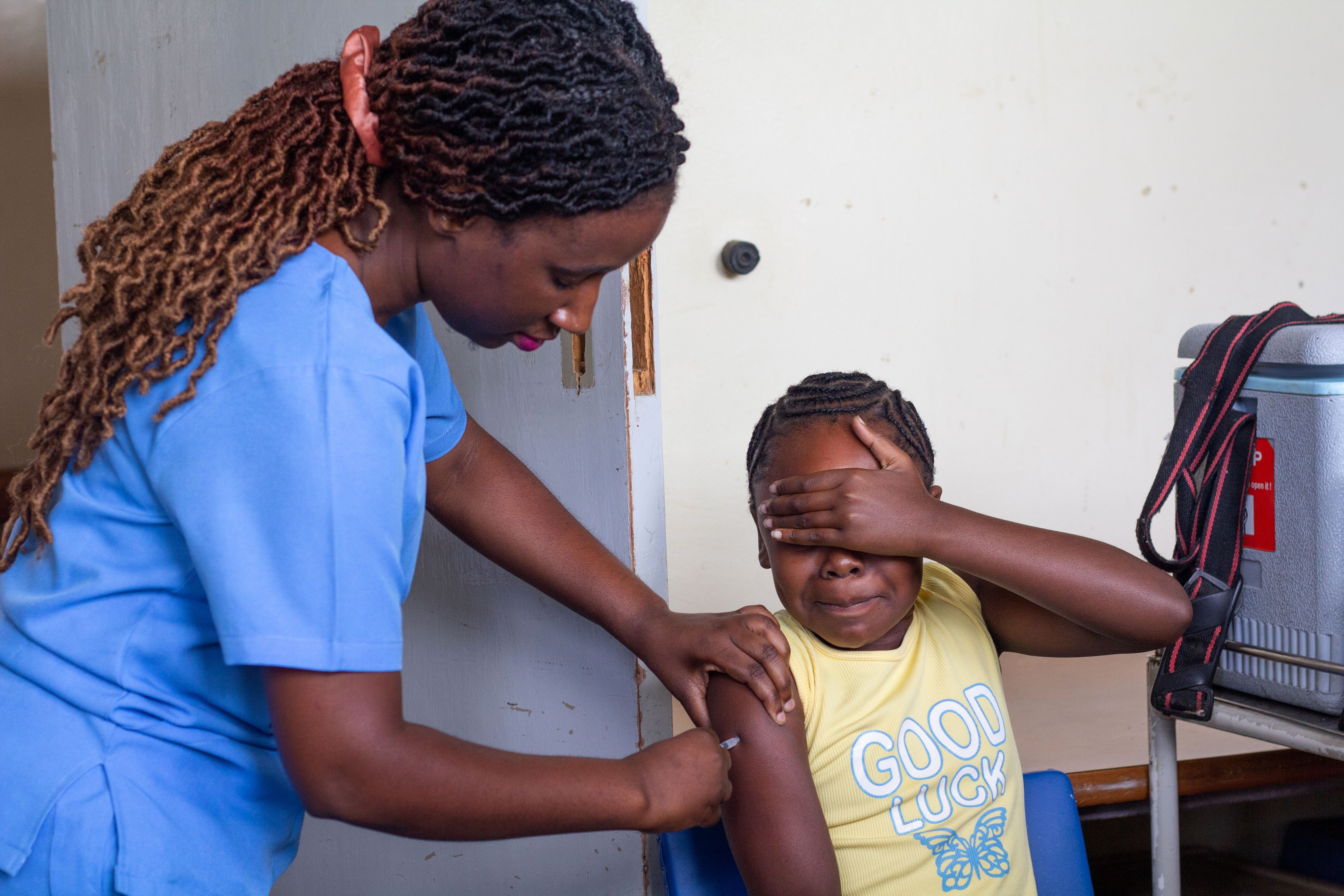
A girls soccer tournament in Zimbabwe is getting a lot of attention from around the world. It does more than just show off young athletes. The event is a great way to spread the word about the HPV vaccine, which is important for preventing cervical cancer. By combining sports with health education, organizers are helping to get girls to get vaccinated and giving them life-saving information.
Soccer as a Tool for Public Health Education
Girls from a number of African countries who were younger than 17 took part. This made it a happy and safe place for kids to learn about health. On game days, coaches and health professionals talked to communities, parents, and athletes about HPV, how it can cause cervical cancer, and why getting vaccinated early is so important. We chose soccer on purpose because it is a sport that kids look up to and admire. This method helped get rid of the things that usually stop people from talking openly about their sexual health and vaccinations.
Addressing HPV Vaccine Hesitancy
Cervical cancer is still one of the top causes of cancer deaths in women in sub-Saharan Africa. The HPV vaccine is now available, but people are still afraid of it and don't believe the facts. The competition eased these worries by giving accurate lessons, Q&A sessions, and firsthand accounts. Health experts said that girls who got the vaccine before being exposed to HPV were much less likely to get cervical cancer in the future. They also cleared up a lot of false ideas about how safe vaccines are and how they affect fertility, which helped parents and communities make smart health decisions.
Community Engagement Beyond the Pitch
The initiative included parents, coaches, teachers, and local leaders in addition to the athletes to get more people in the community to support HPV vaccination. Printed materials, informational booths, and conversations in the local languages made health messages clear and relevant to the many different types of people who came to the tournament.
The program helped make conversations about HPV vaccination more normal and clear up any misunderstandings by including well-known community leaders and medical professionals. This community-based approach helped families see vaccination as a shared responsibility and made them less worried and more confident in public health programs.
Outlook...
The girls' soccer tournament was a great way to raise awareness about the HPV vaccine, which shows that it could be a good way to reach out to the public about health issues. Using sports to get people to learn can help reach people who don't usually get help, build trust, and get more people to accept vaccines. As countries work to get rid of cervical cancer, new, community-based methods like this one could be very important for keeping future

Reid Ashton is a U.S. health news reporter covering medical policy, public health trends, and breakthrough scientific developments.
 Newsflash: