
Breaking News
 May 12
by Reid Ashton
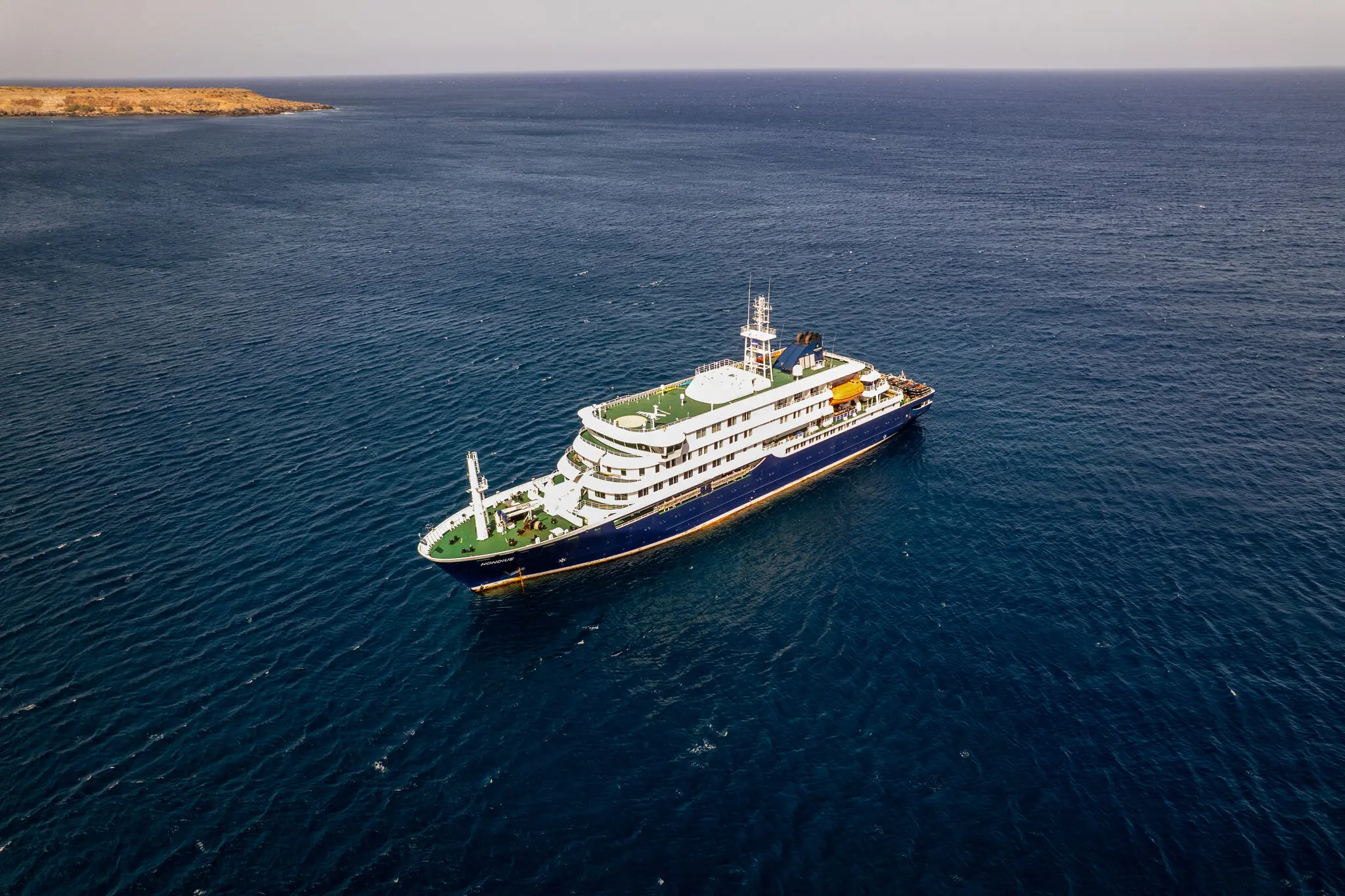
Health authorities worldwide are monitoring passengers and tracing contacts after a deadly Andes hantavirus outbreak aboard the M/V Hondius cruise ship.
Health authorities in several countries are keeping a wide response in place after a hantavirus outbreak on the expedition cruise ship M/V Hondius resulted in several deaths and an increasing number of confirmed infections. The outbreak has triggered international monitoring, quarantines and emergency evacuations of passengers from several countries. Reports say the outbreak involved the Andes strain of hantavirus, the only known hantavirus that can be transmitted from person to person to a limited degree. Officials said the virus spreads through close, prolonged contact and is not easily spread like airborne illnesses such as COVID-19. The M/V Hondius had about 150 passengers and crew members onboard during the outbreak. Three people have died so far, while additional confirmed and suspected cases continue to be monitored internationally. The Wall Street Journal reported that passengers were evacuated from the ship in Tenerife in the Canary Islands before being flown to quarantine and treatment facilities in the United States and Europe. Authorities carried out extensive biosecurity procedures during the evacuation process. Health officials emphasized that the broader public risk remains low, but they continue tracing potential contacts because some passengers disembarked earlier during the voyage before the outbreak was fully identified.
Maryland health officials confirmed that two Maryland residents are being monitored after potential exposure to hantavirus linked to the cruise ship outbreak. The Maryland Department of Health said the individuals were not passengers on the ship itself but may have been exposed during international air travel. According to the Maryland Department of Health, the possible exposure happened during a flight that briefly included a passenger infected with hantavirus from the M/V Hondius outbreak. Officials stressed that monitoring is being carried out “out of an abundance of caution.” Health authorities said the two Maryland residents are currently being observed during the virus’s incubation period, which can range from four to 42 days. Officials also stated that asymptomatic individuals are generally not considered infectious. The Maryland Department of Health emphasized that the risk to the general public in Maryland remains “very low.” Officials noted that no hantavirus cases have been reported in Maryland since 2019 and that Andes virus infections have never previously been identified in the state. Authorities said they are coordinating with federal agencies, medical experts, and specialized treatment centers while continuing to monitor the evolving situation. Privacy protections prevented officials from releasing additional details about the two residents. Reports also indicated that additional Americans in states including New Jersey and California are being monitored after possible exposure during international flights connected to cruise ship passengers.
U.S. authorities transported 18 American passengers from the cruise ship outbreak to quarantine and specialized medical facilities after one American passenger tested positive for the virus and another developed mild symptoms. The Wall Street Journal reported that the passengers were flown to quarantine centers at the University of Nebraska Medical Center and Emory University Hospital. One infected passenger was sent to Nebraska’s specialized biocontainment unit, while another symptomatic individual was transferred to Emory in Atlanta. Most of the remaining passengers are currently under observation in Nebraska, while others continue quarantine monitoring elsewhere in the United States. Officials said the quarantined group includes passengers ranging in age from their late 20s to early 80s. The World Health Organization confirmed seven hantavirus cases connected to the cruise ship outbreak as of May 11, with additional suspected cases still under investigation. Three deaths have already been linked to the outbreak. Health officials said monitoring may continue for up to six weeks because of the virus’s unusually long incubation period. The CDC and WHO continue advising close observation for anyone potentially exposed to infected passengers. Authorities repeatedly emphasized that Andes virus transmission requires close and prolonged contact, and they said there is no evidence of widespread community spread at this time.
The outbreak aboard the M/V Hondius has become one of the most unusual hantavirus incidents in recent years because the Andes strain is capable of limited human-to-human transmission. Most hantaviruses normally spread only through exposure to infected rodents or rodent waste. The ship originally departed from Argentina, where the Andes virus is endemic in some regions. Investigators believe the outbreak may have started after exposure connected to birdwatching or outdoor activity in South America before the cruise continued across the Atlantic.
The outbreak created major international challenges because passengers from more than 20 countries were onboard. Governments across Europe and North America have launched contact tracing operations involving flights, hotels, and cruise stops connected to passengers who left the ship earlier during the voyage. French authorities are currently monitoring 22 people considered high-risk contacts after a French passenger tested positive and was hospitalized in serious condition. Additional passengers remain under observation in Germany, Switzerland, South Africa, and other countries. Despite the seriousness of several cases, health experts continue stressing that the overall risk to the public remains relatively low because the virus does not spread easily through casual contact. Officials said the outbreak response is focused mainly on close-contact tracing, isolation, and monitoring rather than large-scale public restrictions. The ship itself is now expected to return to the Netherlands with a limited crew and disinfected luggage while international health authorities continue investigating how the outbreak spread onboard.

Reid Ashton is a U.S. health news reporter covering medical policy, public health trends, and breakthrough scientific developments.
 Newsflash: