
June 4, 2026
June 4, 2026
Breaking News
 April 17
by Olivia Bennett
US House Approves Temporary FISA Renewal Before Deadline
The US House passes a short-term extension of FISA Section 702, buying time as lawmakers remain divided over surveillance powers and privacy protections
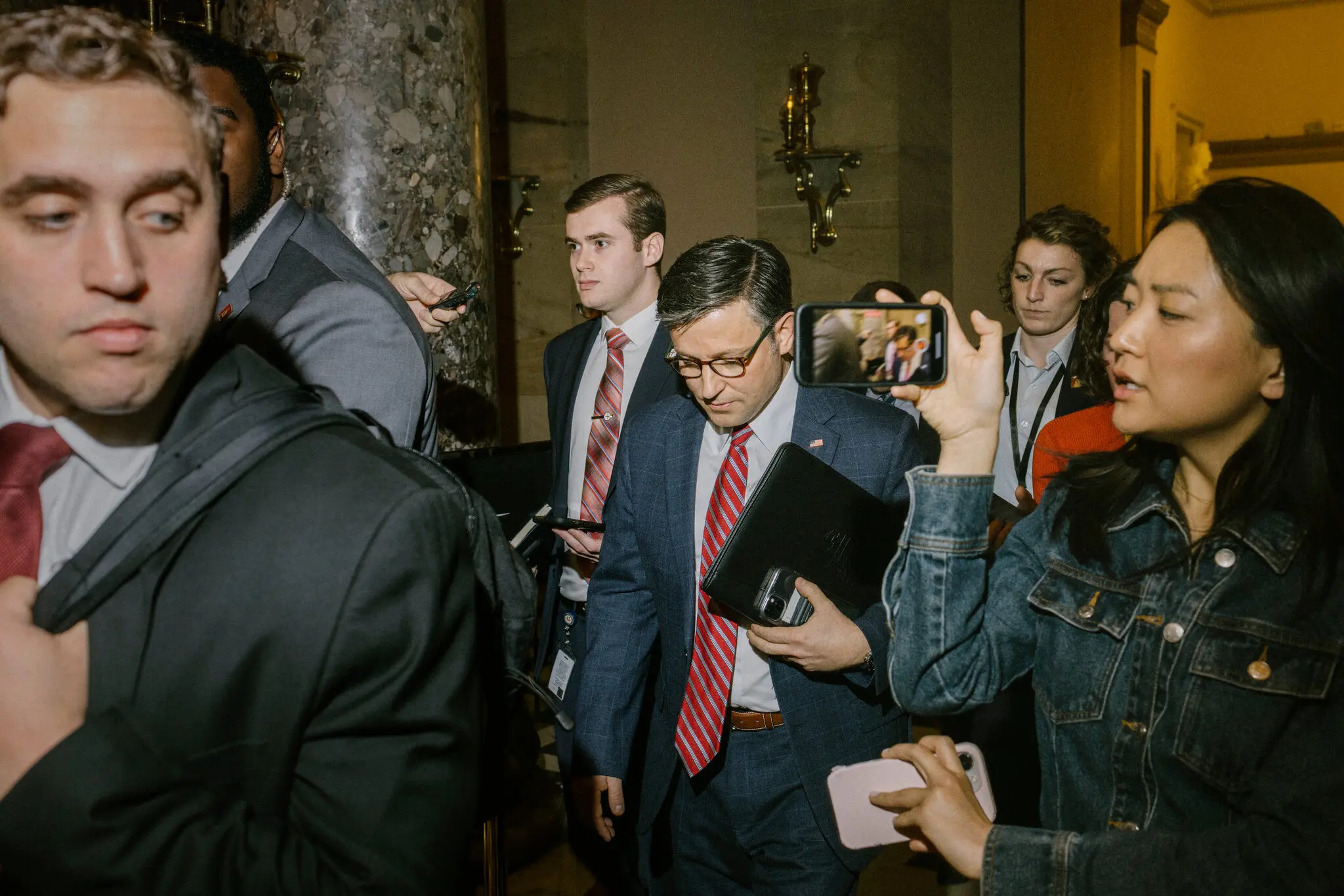
The United States House of Representatives passed a bill early Friday morning to extend a law governing government spying powers for two weeks, after Republicans pressed for a longer five-year extension that was rejected. House members voted unanimously to extend Section 702 of the Foreign Intelligence Surveillance Act (FISA) until April 30.nIn a post-midnight session, the House unanimously approved a short-term extension that moved the deadline from April 20 to April 30. The proposal will now be sent to the Senate, which faces a tight deadline because the authorization expires on April 20. The measure gives Congress time to figure out how to fix Section 702 while avoiding a lapse in authority.
Why This News Matters:
This is basically Congress buying itself a little more time on something pretty serious. The law they’re debating helps track threats from abroad—but it can also sweep up Americans’ communications. Lawmakers can’t agree on where to draw that line, so instead of a long-term fix, they hit pause to avoid it expiring altogether.
Political Deadlock and Failed Long-Term Deal
A revised proposal announced late Thursday would have prolonged the program for five years with tweaks, but it failed due to Republican defections. In a 200-220 vote, 12 Republicans joined almost all Democrats in opposing the agreement. A procedural vote to approve a clean 18-month extension also failed, with 20 Republicans voting no. The initiative failed when members ran back to the Capitol, with Democrats criticizing the rushed process. Speaker Mike Johnson said, “We were very close tonight,” noting that more work is needed to resolve disagreements. The events marked a notable instance of Republicans defying President Donald Trump’s call to unify behind a longer extension.
Debate Over Privacy and National Security
Section 702 of FISA is at the heart of the debate. It lets the CIA, NSA, and FBI collect and analyze communications from other countries without a warrant. In doing so, the program can incidentally collect communications involving Americans who interact with foreign targets. U.S. officials say the authority is critical to disrupting terrorist plots, cyber intrusions, and foreign espionage. Critics, on the other hand, say that FISA violates Americans' right to privacy in the Constitution by letting people read their communications without a warrant. Lawmakers from both parties are still having trouble figuring out how to keep both civil rights and national security safe.
Ongoing Negotiations and Uncertain Path Forward
Mr. Trump and his allies had lobbied aggressively for a clean renewal of the program, urging Republicans to “unify” and support the measure. Republican leaders held late-night negotiations with the White House and members to try to reach a compromise. Privacy-minded lawmakers have pushed for reforms, including requiring a warrant before accessing Americans’ communications. Democrats warned that some proposed reforms could still allow searches with limited oversight, raising further concerns. The pathway forward remains unclear as lawmakers work toward a longer-term solution before the April 30 deadline.
What to Watch Next:
The clock is ticking. Over the next couple of weeks, lawmakers need to figure out a real deal—one that balances security and privacy. If they don’t, this could turn into another last-minute scramble or even a lapse in surveillance powers.

Olivia Bennett is a U.S. political correspondent reporting on federal policy, election developments, and national governance issues.
 Newsflash: