
June 14, 2026
June 14, 2026
Breaking News
 April 28
by Casey Quinn
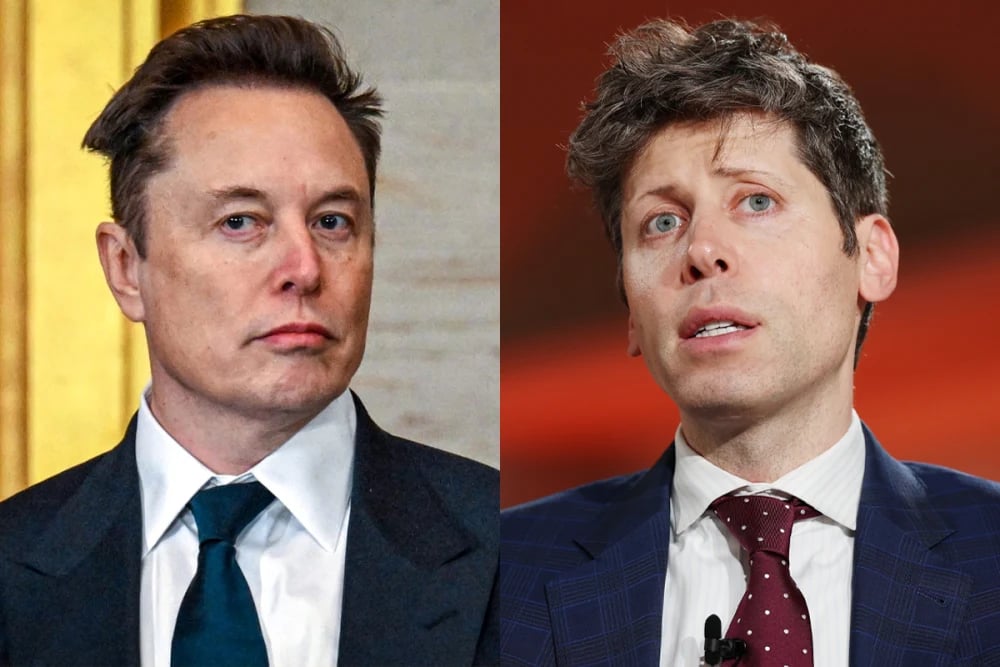
Elon Musk vs Sam Altman in high-stakes AI court showdown US trial
The high-stakes legal battle between Elon Musk and Sam Altman enters a U.S. court, raising key questions on AI governance, ethics, and AI future in the US today now
Elon Musk and Sam Altman, two tech billionaires, are having more and more problems. The two men are now going to court in the U.S. to fight over AI in a case that could have huge effects. What began as a discussion about OpenAI's philosophical and strategic direction has turned into a court battle with big consequences. Musk's biggest problem is that OpenAI has lost sight of its original goal as a nonprofit: to make AI in a safe and open way. On the other hand, Altman and OpenAI say that their current structure is important for moving forward with cutting-edge AI technology in a way that is safe and competitive. A lot of people in the US IT industry, as well as lawmakers and people all over the world who are interested in AI, are keeping an eye on the lawsuit as it moves forward.
Origins of the Musk vs Altman Dispute
This example is from the early days of OpenAI, when Elon Musk was one of the people who helped launch it. Musk claims that the group's decision to transition to a capped-profit model goes against its original goal of being a nonprofit. He is concerned about how open and accountable AI development is since he believes that the transformation puts economic interests ahead of the public welfare. Sam Altman and the heads of OpenAI also claim that AI research needed a lot of money and resources to thrive, thus the firm had to change the way it was set up. The world we live in right now is having a bigger debate over how to cope with AI.
Why This Case Matters for AI Governance
This is a very important issue for both people and AI policy in the US as a whole. As AI systems become more powerful and common, we need to learn how to use them correctly, keep an eye on them, and use them wisely. The outcome of the case could change how AI companies make money, do business, and run their operations in the future. People in business and government are very interested in the case because the outcome could set rules for how businesses should be run, how open AI development should be, and how responsible the public should be.
Impact on the U.S. Tech Industry
A lot of people who work in IT in the U.S. are keeping an eye on the case. Many people there want to work with AI. Companies are spending billions to make better models, and if any legal issues come up because of this case, they may have to change how they do business.
If more people listen to what Musk says, we may need to look more closely at AI companies and the way they do business. On the other side, if the court rules in favor of OpenAI, it might make the way business and charity operate together even better. No matter what, the case will probably change how huge tech corporations, investors, and new enterprises employ AI.
Broader Global Implications
The lawsuit is in a U.S. court, but it has an impact on people all across the world. People and companies all across the world are trying to find new methods to employ AI. In this scenario, the choices taken could also modify laws and rules in a lot of other countries. The result is tremendously important for corporations and governments in Europe, Asia, and other regions because it could influence how they think about AI ethics, business, and governance. The case indicates that governments need to work together more and more to cope with the pros and cons of AI.
Outlook...
It's still going on, and it's hard to estimate what it will signify in the long run, but it will be huge. The study will take a few weeks. During that period, both sides will make arguments that could influence how people feel about AI and who is in charge of it. No matter what happens with the lawsuit, it is already making people think more about how to build, pay for, and control AI. It highlights how hard it is to establish a balance between being creative and being responsible, which is necessary for the next stage in AI development. The outcome of this court case might change the regulations for one of the most important technologies in the world and in the U.S.

Casey Quinn is a U.S. technology reporter covering innovation, digital policy, and emerging trends in the tech industry.
 Newsflash: