
June 29, 2026
June 29, 2026
Breaking News
 May 11
by James Thornton
Oil jumps as Trump rejects Iran ceasefire response; shares mixed
Oil prices surged over 4% after Trump rejected Iran’s ceasefire response, while Asian shares traded mixed amid rising Middle East tensions.
Global financial markets were under pressure after U.S. President Donald Trump rejected Iran’s latest response to a proposed ceasefire accord, heightening fears of geopolitical instability in the Middle East. The news led to a dramatic increase in crude oil prices, with Brent crude and U.S. WTI futures rising more than 4%, on concerns of extended supply interruptions through the Strait of Hormuz, one of the world’s most crucial oil shipping routes. Asian stock markets were mixed as investors considered the impact of higher oil costs, inflation worries and the potential for increased tensions between Washington and Tehran. Although certain tech-heavy markets were able to demonstrate resiliency, overall investor sentiment remained cautious amid uncertainty regarding global trade and energy security. Analysts said the new geopolitical developments might have a big impact on global markets, sparking
Oil Prices Surge as Middle East Tensions Escalate
Crude oil prices saw one of their best single-day gains in recent weeks after President Trump calling Iran’s ceasefire response “unacceptable.” The comments instantly triggered market fears that diplomatic talks between the United States and Iran may collapse, raising the prospect of prolonged interruptions to the world's oil supply systems. Brent crude climbed by more than $105 a barrel while U.S. West Texas Intermediate crude neared the $100 handle. Energy traders are watching closely the Strait of Hormuz, a crucial waterway that carries almost one-fifth of the world’s oil supply. Ongoing uncertainty in the region has fueled volatility in energy markets, with disruptions to shipping and military confrontations stoking fears of fuel shortages and higher transportation costs worldwide. Analysts warn that ongoing instability
Asian Shares Trade Mixed Amid Investor Uncertainty
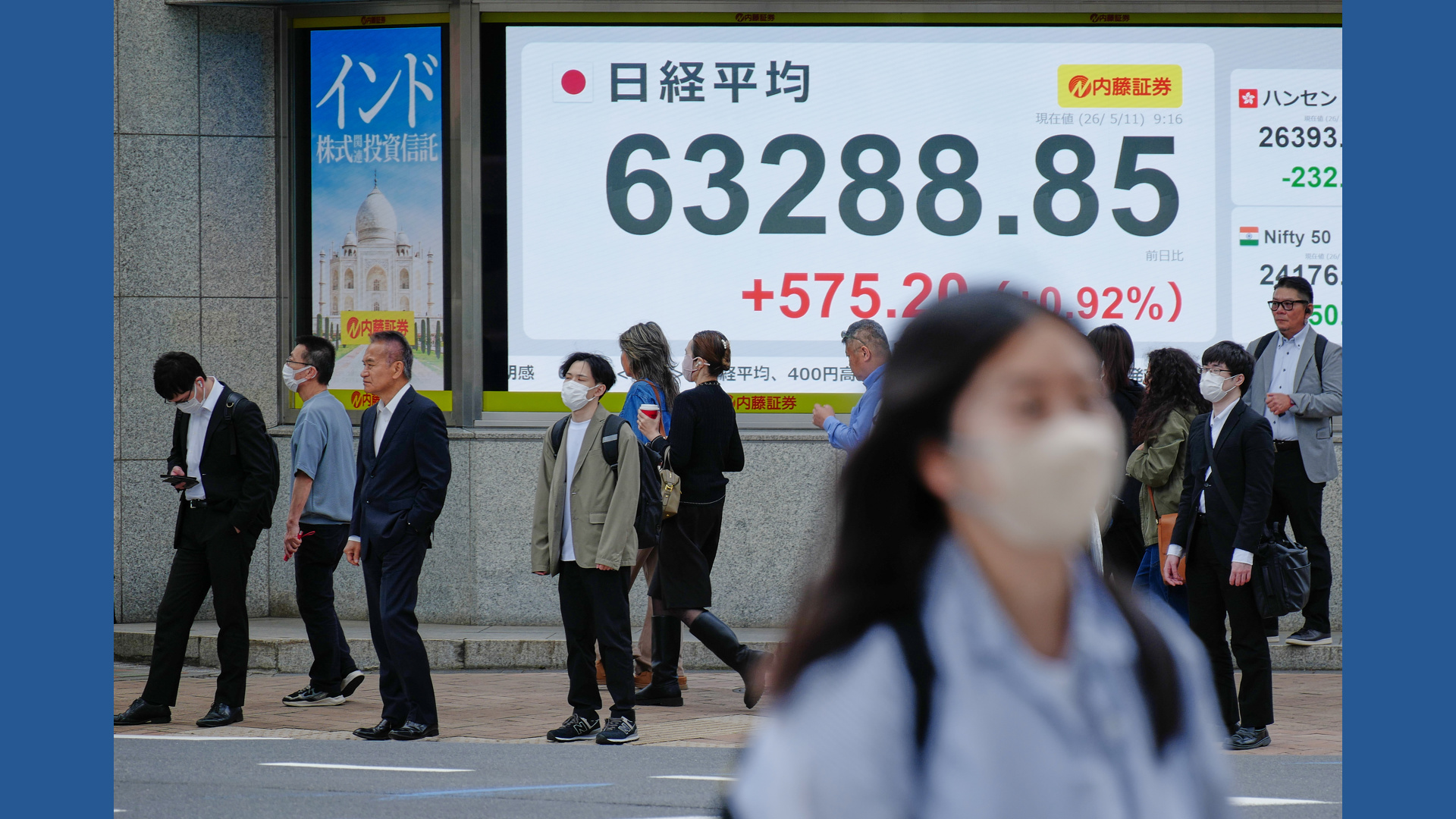
Asian shares were mixed as investors weighed strong technology sector performance against concerns over rising oil costs and geopolitical risk. The Kospi in South Korea rose sharply on strength in semiconductors and AI-related firms. Japan’s Nikkei and Hong Kong’s Hang Seng Index were under pressure from worries about energy-related inflation and softer investor confidence. Higher crude prices might boost inflationary pressure in Asia and the United States, which will dictate the direction of central bank policies and consumer spending, market strategists said. Investors also are keeping an eye on the effects of higher shipping costs and supply chain disruptions on global manufacturing activity. Financial markets are quite sensitive to any fresh developments in U.S.-Iran negotiations.
Trump’s Rejection of Iran Proposal Raises Global Concerns
Trump’s rejection of Iran’s response is another blow to ongoing diplomatic efforts to ease tensions in the Gulf area. Iran's request reportedly demanded sanctions relief, sovereignty over critical waterways and guarantees against future military action. But U.S. sources said the response did not meet key American demands on Iran’s nuclear program and its military activity in the region. Global investors fear the diplomatic deadlock might heighten geopolitical tensions and could impact international commerce, commodities prices and the stability of financial markets. Economists say prolonged uncertainty in the Middle East might add further pressure to already-fragile global supply chains and raise risks of inflation worldwide.
Impact on U.S. Markets and the Global Economy
These developments will have important repercussions for U.S. firms, consumers and financial markets. When oil prices rise, the cost of fuel and transportation generally goes up, potentially causing more inflation and less purchasing power for consumers. U.S. stock futures dropped after the announcement, as investors rushed to safe havens amid rising geopolitical angst. A rise in oil prices will hurt the financial health of industries that are very sensitive to fuel costs, such as airlines, shipping, manufacturing and retail. Higher crude prices could be good news for energy companies, as profits rise for major U.S. oil producers and energy exporters. Wall Street analysts say the next move for the market will depend heavily on whether diplomatic talks between the U.S. and Iran get up again or break down more.
Outlook
Global investors will be intently watching any diplomatic advancement between the United States and Iran, as well as military or shipping activity around the Strait of Hormuz. The result of future talks might have a big impact on oil prices, inflation trends and global market sentiment. Analysts say if tensions escalate, crude oil might remain above $100 a barrel for a prolonged period, adding to the economic burden on industrialized and emerging economies. At the same time, policymakers and central banks may find it increasingly difficult to balance concerns about inflation with concerns about economic growth. Extended volatility in energy markets might also lead to higher operational expenses and greater uncertainty for U.S. firms and consumers across financial markets. Most investors are likely to sit on the sidelines until there are stronger signals on the future of U.S.-Iran ties and wider Middle East stability.

James Thornton is a U.S. business reporter covering markets, technology, and economic policy.
 Newsflash: