
May 25, 2026
May 25, 2026
Breaking News
 May 22
by James Thornton
Senate Republicans Delay Immigration Bill After Disputes Over Donald Trump Funding Requests
Senate Republicans delayed a major immigration funding package after internal disputes erupted over Donald Trump’s ballroom project and controversial anti-weaponization fund.
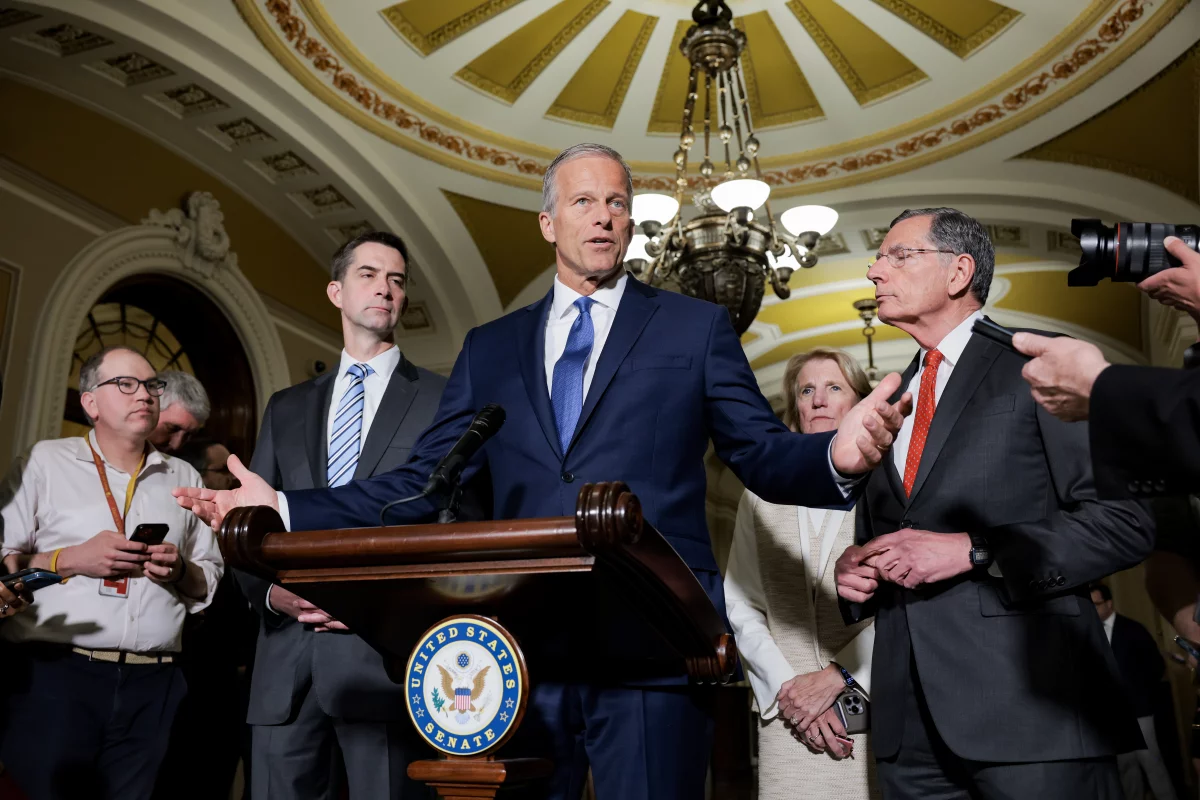
Senate Republicans left Washington for the Memorial Day recess without advancing a roughly $70 billion immigration enforcement funding package after internal disagreements erupted over controversial provisions tied to President Donald Trump. The legislation included $1 billion for security enhancements connected to Trump’s White House ballroom project and a separate $1.8 billion “anti-weaponization” fund backed by the administration. Republican senators raised concerns that the provisions were politically damaging and risked overshadowing the broader immigration agenda. The ballroom funding became especially contentious because Trump had previously said private donors would cover the cost of the ballroom rather than taxpayers. Democrats accused Republicans of prioritizing spending on a luxury project while Americans remained concerned about affordability and economic pressures. Some Republican lawmakers also questioned whether attaching the ballroom proposal to a border security package would weaken public support for the legislation. Republican senators considered removing the ballroom funding entirely after resistance emerged inside the party. The proposal was framed as funding for “security upgrades” connected to the White House complex, including above-ground and underground features tied to the ballroom project. Senate leaders hoped removing the provision could help salvage support for the larger immigration and enforcement bill when lawmakers return after recess. The dispute highlighted growing frustration among Senate Republicans over politically risky additions to must-pass legislation. Critics argued that linking immigration funding with controversial White House spending distracted from Republican messaging on border security and law enforcement.
Controversy Grows Around Trump’s “Anti-Weaponization” Fund
Another major source of tension involved Trump’s proposed $1.8 billion “anti-weaponization” fund, which was designed to compensate Trump allies and others who the administration argued had been unfairly targeted by government investigations and prosecutions. Republican senators expressed concerns during meetings with Acting Attorney General Todd Blanche, warning that the proposal could create political liabilities for the party. Some lawmakers feared the fund could be interpreted as benefiting individuals connected to the January 6 Capitol riot cases. Senator Thom Tillis reportedly described the proposal as politically toxic, while other Republicans questioned the wisdom of including it within a broader immigration enforcement package. A planned bipartisan White House meeting collapsed as tensions over the fund intensified. Democrats strongly criticized the proposal and prepared votes aimed at exposing divisions among Republicans. They argued that taxpayer money should not be used for compensation programs tied to Trump’s political grievances. The controversy complicated Senate Republican efforts to maintain party unity around immigration and border enforcement priorities. The dispute also reflected broader concerns among Republicans about Trump’s influence over the party. Some senators worried that supporting controversial funding requests could create electoral vulnerabilities, especially as Trump simultaneously backed primary challengers against incumbent Republican senators such as Bill Cassidy and John Cornyn. The growing disagreements suggested limits to Trump’s control within the Senate Republican conference despite his continued dominance over much of the party base.
Internal Republican Divisions Stall Senate Agenda
The stalled legislation exposed deeper divisions inside the Republican Party over spending priorities, political strategy and loyalty to Trump’s agenda. Senate Republicans had initially hoped to quickly advance the immigration funding package, which included major resources for Immigration and Customs Enforcement and border security operations. Instead, disagreements over the ballroom project and anti-weaponization fund delayed action and forced lawmakers to postpone votes until after the recess. The controversy intensified as Trump publicly defended the ballroom project during a tour of the White House construction site. Trump argued that the ballroom would improve security and serve as a “gift” to the nation. However, critics questioned why taxpayer-backed security funding was needed after earlier assurances that private funding would cover the project. The Senate parliamentarian also dealt a procedural setback to the proposal by determining that parts of the security funding package failed to meet Senate budget rules required under reconciliation procedures. The ruling increased pressure on Republican leaders to revise or abandon portions of the legislation. The episode fueled broader debate over Trump’s political leverage inside Congress. While House Republicans largely remained aligned behind the president, Senate Republicans appeared increasingly willing to challenge provisions they viewed as politically dangerous or fiscally difficult to defend. Lawmakers are expected to revisit negotiations after the Memorial Day recess, but the disputes revealed growing strains within the party over how closely congressional Republicans should align themselves with Trump’s most controversial priorities.

James Thornton is a U.S. business reporter covering markets, technology, and economic policy.
 Newsflash: